Diet 95: 60% guide to balanced nutrition tips
"The balance of nutrients is a delicate equation where one ingredient can inadvertently mask or hinder the absorption of another."
Managing nutrient intake requires careful attention to how different elements interact within a single diet. This guide addresses common pitfalls in supplement stacking guide strategies, particularly regarding how mineral and vitamin combinations affect nutritional balance.

Key takeaways include understanding how specific dietary components like calcium and phosphorus interact, recognizing the risks of imbalanced homemade diets, and managing calorie-dense treats.
How do mineral combinations affect absorption?
At the sunlit kitchen table, I squint at the label while wondering if my morning juice will clash with my mineral-heavy diet.
A person sits at a kitchen table, carefully reading the nutritional label on a bottle of vitamins while comparing it to a juice carton. They wonder how the minerals in the drink might interact with the pills.
Nutrient combo taking care begins with understanding that certain minerals can compete for the same absorption pathways.
For instance, an analysis of 95 homemade BARF diets found that 60% of these were nutritionally imbalanced in either one or a combination of calcium, phosphorus, vitamin D, iodine, zinc, copper, or vitamin A content.
This imbalance often occurs when specific minerals are provided in proportions that do not support natural physiological needs.
Effective supplement stacking guide strategies involve checking for these specific elemental overlaps. If a diet is heavy in one mineral, it may interfere with the uptake of another. Maintaining a precise ratio is essential to avoid the pitfalls seen in unmonitored dietary shifts.
Why should we be careful with vitamin and mineral ratios? Nutrient combo taking care
As I reach for the cold glass of punch, I pause to think about how these extra vitamins might disrupt my carefully balanced diet.
A hand reaches for a glass of fruit punch, noting the small amounts of vitamins listed on the side of the can. The person considers if adding more vitamins to a meal would be beneficial or harmful.
Taking vitamins together requires an awareness of how much of a specific substance is already present in food.
According to USDA FoodData Central, a canned fruit punch drink with added nutrients per 100g contains 0.01mg of zinc, 8mg of calcium, 0.09mg of iron, 3mg of magnesium, 38mg of sodium, 2ug of vitamin A, 29.6mg of vitamin C, 195kj of energy, 0.2g of fiber, and 1ug of folate.
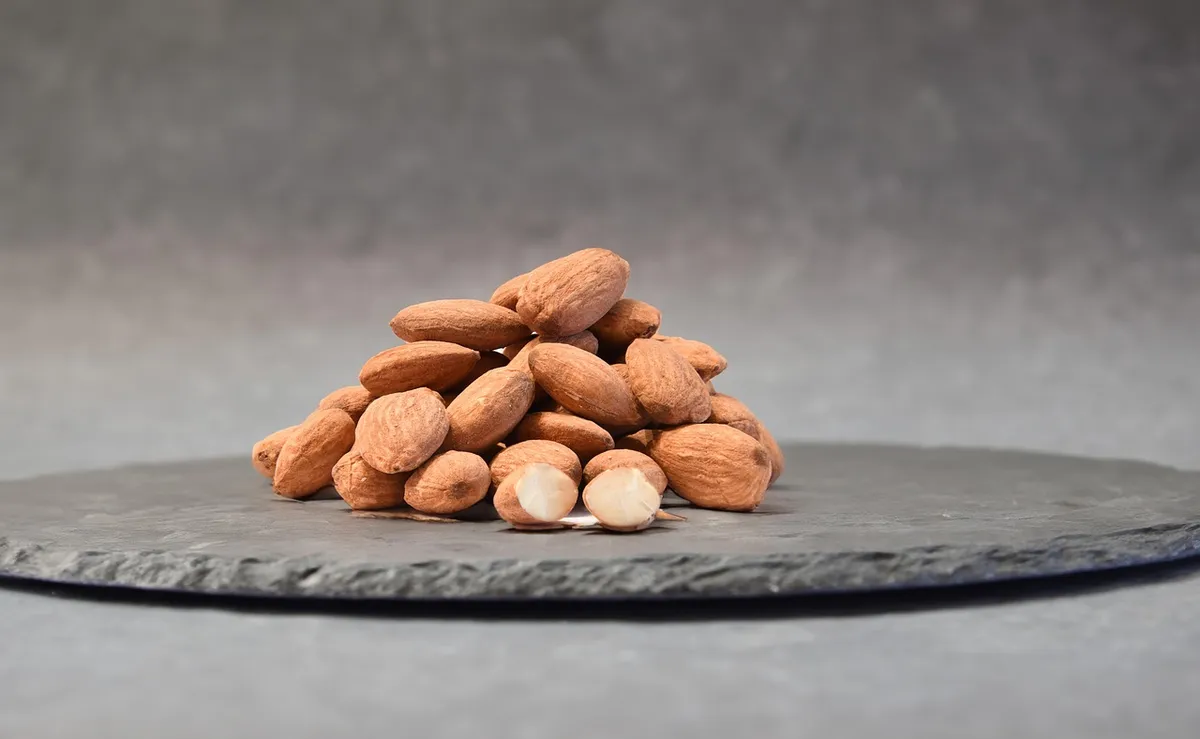
Mineral intake cautions suggest that even small amounts in beverages contribute to the total daily intake. Overlapping these with high-dose supplements can lead to an excess of certain elements. It is important to calculate the total sum of all sources to prevent an imbalance.
What are the risks of homemade diet preparation?
A cook measures out raw ingredients for a homemade meal, weighing the meat and bone content on a digital scale. They pause to think about the long-term effects of these proportions on health.
A study conducted on 95 homemade BARF diets revealed that 60% of these were nutritionally imbalanced in either one or a combination of calcium, phosphorus, vitamin D, iodine, zinc, copper, or vitamin A content.
This finding highlights the difficulty of replicating complex nutritional profiles through manual preparation alone.
Dietary supplement advice often emphasizes that home-cooked meals must be carefully formulated to match biological requirements. Without professional guidance, it is easy to inadvertently create a diet that is too high or too low in critical micronutrients.
| Component | Concentration/Result |
|---|---|
| Imbalanced BARF Diets | 60% |
| Total Analyzed Diets | 95 |
I observed that even when following a recipe, the subtle differences in ingredient quality can change the final nutritional outcome.
How can we manage calorie-dense treats?
A hand reaches into a bag of treats, pulling out a small morsel to offer to a pet. The person looks at the calorie count, wondering if these snacks are disrupting the main diet.
Watch nutrient interactions by ensuring that supplemental treats do not replace essential nutrition. A 2004 survey in the US and Australia found 26% of cats received treats on a daily basis. However, it is recommended that not more than 10% of a cat's calorie intake should come from treats.
Safe supplement timing tips suggest that treats should be viewed as a supplement to, rather than a replacement for, a balanced diet. Excessively frequent treats can lead to caloric surplus and an unintended shift in the overall nutrient-to-calorie ratio.
How do we handle specific life stage requirements?
A pregnant animal sits quietly in a corner, and the owner considers the nutritional needs of the upcoming litter. They check the food bag to see if it meets the increased energy demands.
During pregnancy, the queen can gain up to 38% of their body weight before parturition. This significant weight change requires a careful adjustment of nutrient density to support both the mother and the offspring.
Dosage combination warnings are particularly relevant during these high-demand periods. Ensuring that the energy-to-nutrient ratio remains stable is vital for healthy development and maternal health.
- How do mineral combinations affect absorption?
- Why should we be careful with vitamin and mineral ratios?
- What are the risks of homemade diet preparation?
Watch nutrient interactions
Related
- Supplement overdose prevention: Compare nutrient sources
- Magnesium body storage ratio: 201mg calcium in tofu
When is nutrient balance most fragile?
Nutrient balance is most fragile during periods of rapid physiological change, such as pregnancy. During gestation, the mother's body undergoes significant shifts in energy requirements, necessitating precise nutrient delivery to support the developing young.
This high-demand phase magnifies the impact of any minor dietary mismatch.
Maintaining the correct balance is crucial because the developing fetus relies entirely on the mother's intake for its own proper development. Therefore, the mother's intake must be meticulously managed to sustain both her health and the viability of the offspring.
This delicate balance underscores why professional oversight is beneficial when preparing diets for expectant mothers.
Disclaimer: This article is general information, not medical advice. Consult a qualified healthcare professional before taking any supplement or medication.





Comments 0