Magnesium body storage ratio: 201mg calcium in tofu
"The importance of mineral balance is often overlooked in the rush to meet daily nutritional targets through supplements."
Understanding the magnesium body storage ratio and how it relates to dietary intake is essential for anyone looking to optimize their mineral levels.
This guide explores how much magnesium is found in common foods, the historical context of mineral availability, and how to select appropriate sources.
Key takeaways include analyzing nutrient density in tofu, recognizing the strategic importance of magnesium as a raw material, and understanding how dietary sources contribute to daily requirements.
How does magnesium body storage ratio affect food selection?
At the wooden table during sunset, I grip a piece of tofu and contemplate how my magnesium levels influence my appetite.
A person sits at a wooden table, examining a block of firm tofu alongside a nutritional chart. The goal is to understand how much of a specific mineral is actually present in the food being consumed.
The magnesium body storage ratio refers to how the body manages its internal mineral reserves versus what is absorbed from the diet. While the body maintains specific levels in blood and soft tissues, the total mineral storage capacity varies based on intake and physiological needs.
When selecting supplements or foods, one must consider the existing mineral levels to avoid imbalances.
For those looking at food sources, the mineral absorption rate can vary depending on the food matrix. For example, firm tofu prepared with calcium sulfate and magnesium chloride (nigari) contains 201mg of calcium and 148mg of potassium per 100g, while providing a specific mineral profile.
This type of data helps in planning a diet that supports healthy mineral levels.
What are the mineral levels in common food sources?
In the dim kitchen light, I slice through the soft tofu and feel the cool moisture of the magnesium-rich curd.
A cook slices through soft tofu, noting the different texture and nutrient profile compared to the firm variety. Comparing different types of tofu reveals how preparation methods change the mineral content.
As reported by USDA FoodData Central, firm tofu prepared with calcium sulfate and magnesium chloride contains 9.04g of protein and 201mg of calcium per 100g.
The mineral levels in common foods like tofu can vary significantly based on the preparation method. For instance, firm tofu prepared with calcium sulfate and magnesium chloride (nigari) contains 9.04g of protein and 4.17g of fat per 100g.
In comparison, soft tofu prepared with calcium sulfate and magnesium chloride (nigari) contains 7.17g of protein and 3.69g of fat per 100g.
| Food Type | Protein (per 100g) | Calcium (per 100g) |
|---|---|---|
| Firm Tofu | 9.04g | 201mg |
| Soft Tofu | 7.17g | 111mg |
I looked at these two protein levels to see how they might fit into a high-protein diet. Understanding these differences is part of an optimal mineral supplement choice.
Why is magnesium considered a strategic resource?
A researcher looks at a map of global mineral deposits, noting the locations of mines and smelters. The discussion shifts to why certain elements are prioritized by international governing bodies.
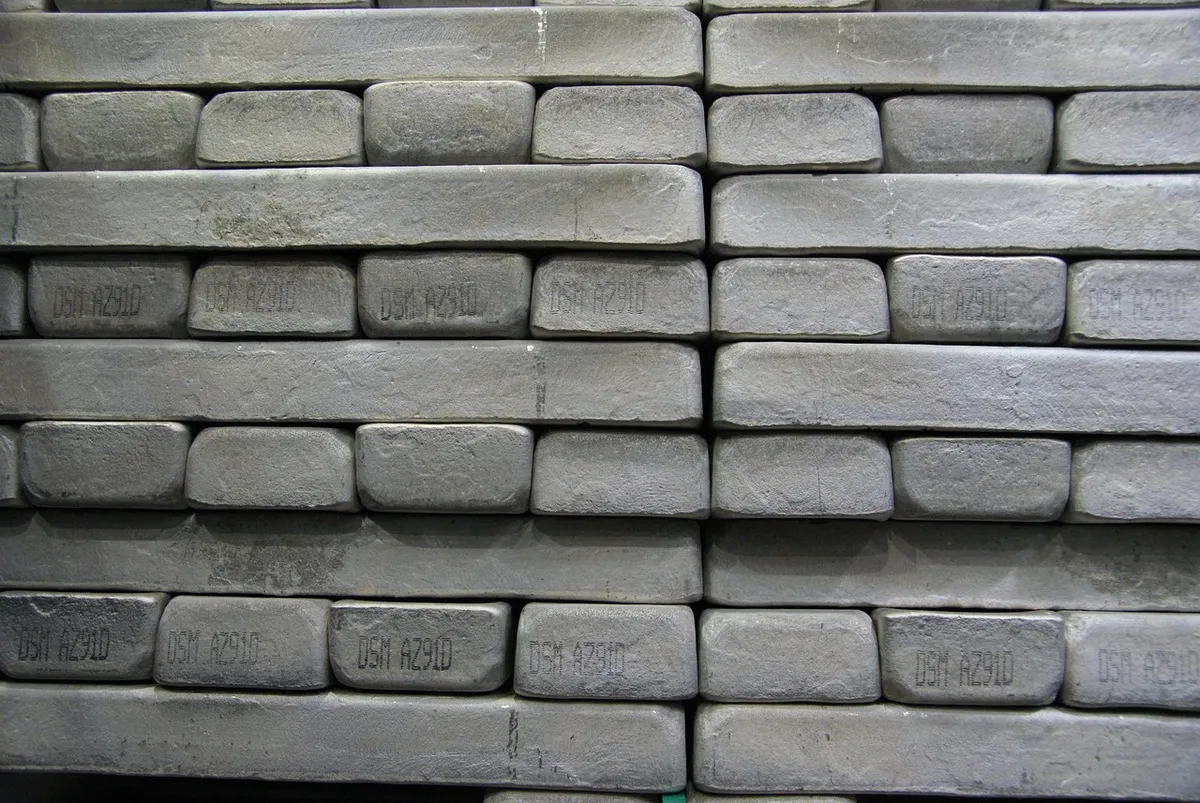
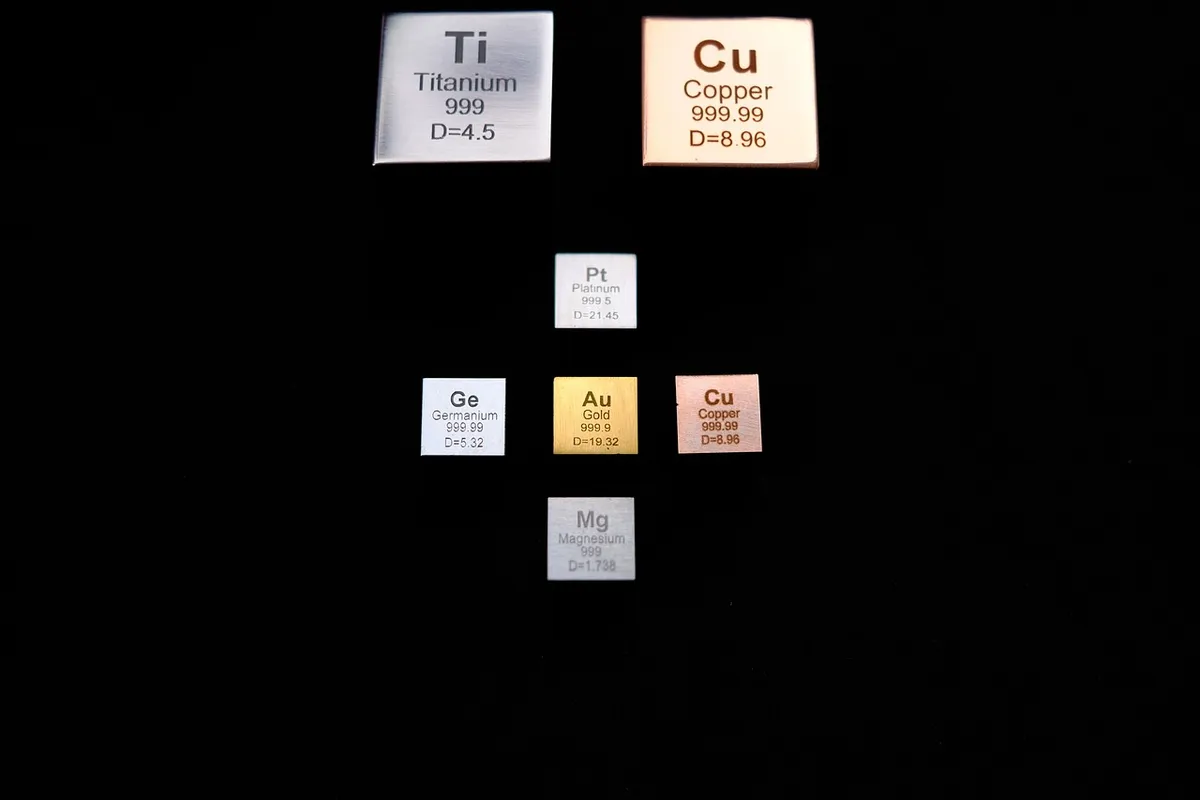
The strategic importance of magnesium is reflected in its classification by international organizations. According to Wikipedia, magnesium has appeared on every European Commission list of critical raw materials since the first list was published in 2011.
This designation highlights its necessity in various industrial and technological sectors.
The availability of these minerals has historically been shaped by geopolitical shifts. For instance, the dissolution of the Soviet Union brought exports from Russia, Ukraine, and Kazakhstan into Western markets, which affected global prices.

This historical context shows that the supply of minerals is often subject to international trade policies and duties.
How can one manage mineral intake through diet?
A person prepares a meal, carefully measuring portions to ensure they meet their daily nutritional goals. They focus on the balance between different food groups to maintain health.
According to the International Olympic Committee, protein intake targets for both strength and endurance athletes are recommended at about 1.2–1.8 g/kg body mass per day.
Managing mineral intake involves a systematic approach to eating and supplement use. To maintain steady levels, follow these steps:
- Identify the nutrient density of your primary protein sources. 2. Compare the mineral content of different food preparations to meet specific targets. 3. Balance mineral intake with other essential nutrients like protein.
A final check involves verifying that your total intake aligns with your personal health goals and activity levels. For example, the International Olympic Committee recommends protein intake targets for both strength and endurance athletes at about 1.2–1.8 g/kg body mass per day.
This suggests that mineral intake should be viewed alongside macronutrient requirements.
What are the limitations of relying on food alone?
A person stands in a grocery store aisle, contemplating the difference between whole foods and bottled supplements. They wonder if food alone can meet all their physiological needs.
Relying solely on food can be challenging if the mineral absorption rate is low or if food availability is limited. While foods like tofu provide useful amounts of calcium and potassium, meeting high-performance needs may require more targeted strategies.

Enhancing nutrient uptake often requires a combination of diverse food sources and careful planning.
A limitation of using food-based data is that it only represents a snapshot of the nutrient content at the time of testing. For example, the calcium content in firm tofu is 201mg per 100g, but individual absorption may differ.
This means that while food is a primary source, it may not always meet every specific physiological requirement for everyone.
- How does magnesium body storage ratio affect food selection?
- What are the mineral levels in common food sources?
- Why is magnesium considered a strategic resource?
Related
- How can we identify sources of these minerals?
- Achieving mineral absorption boost: Zinc iron B12 synergy
How does the importance of mineral balance relate to modern diets?
The importance of mineral balance is often found when comparing the intake from varied food sources against the body's storage capacity. The body maintains specific mineral levels in soft tissues, which influences how much dietary intake is truly needed.
When individuals are rushing to meet daily nutritional targets, they may overlook the subtle differences in mineral absorption rates between various foods.
This contrast between the body's storage and dietary input underscores why a detailed understanding of mineral sources is crucial for optimization. For example, the mineral profile differs between firm and soft tofu, necessitating careful dietary planning to ensure adequate intake.
What cautions accompany mineral intake management?
One caution is that the mineral absorption rate varies based on the food matrix, meaning the same mineral might be absorbed differently depending on how it is consumed. Another caution is that relying solely on food may not satisfy high-performance physiological requirements.
Therefore, a combination of diverse food sources and supplements is often necessary for optimal mineral balance.
Disclaimer: This article is general information, not medical advice. Consult a qualified healthcare professional before taking any supplement or medication.







Comments 0