Zinc and iron synergy: Guide to mineral intake 1.98mg
Understanding the relationship between zinc and iron is essential for anyone managing their daily nutritional intake. This guide explains how these two minerals interact, how to time your consumption for better absorption, and what to avoid when combining them.
Key takeaways: * Zinc and iron can compete for absorption if taken simultaneously in high doses. * Timing your intake can help manage the zinc iron interaction. * Dietary sources like fortified oats provide significant mineral levels.
How does zinc and iron synergy affect absorption?
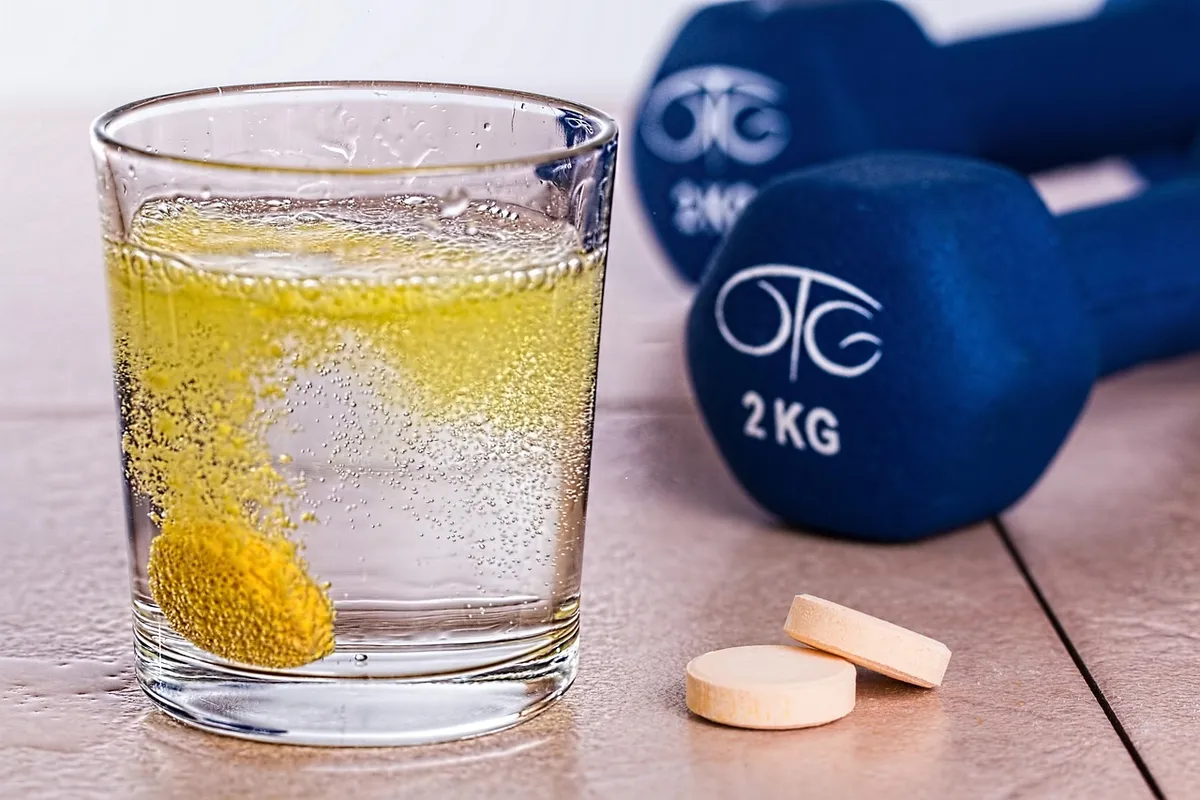
At dawn in the quiet kitchen, I feel the warmth of the steam as I stir the oats to balance my zinc intake.
A person stands in a quiet kitchen at dawn, carefully measuring out a spoonful of dry oats before adding hot water. They are trying to understand how the minerals in their breakfast will interact with their afternoon supplements.
The zinc and iron interaction is primarily a matter of competition within the human digestive system. When both minerals are consumed in large amounts at the exact same time, they may compete for the same transport pathways, which can potentially limit the efficiency of how much each is absorbed.
Understanding zinc iron benefits requires looking at how the body processes these distinct elements. While they serve different roles, managing their intake helps ensure that neither mineral is left underutilized due to the presence of the other.
For those looking at the zinc iron combo, the goal is to balance the timing of these nutrients. By spacing out mineral-heavy meals and supplements, you can mitigate the competition that occurs during the absorption process.
I find that the second step in this process is the most critical.
What are the levels in common foods?
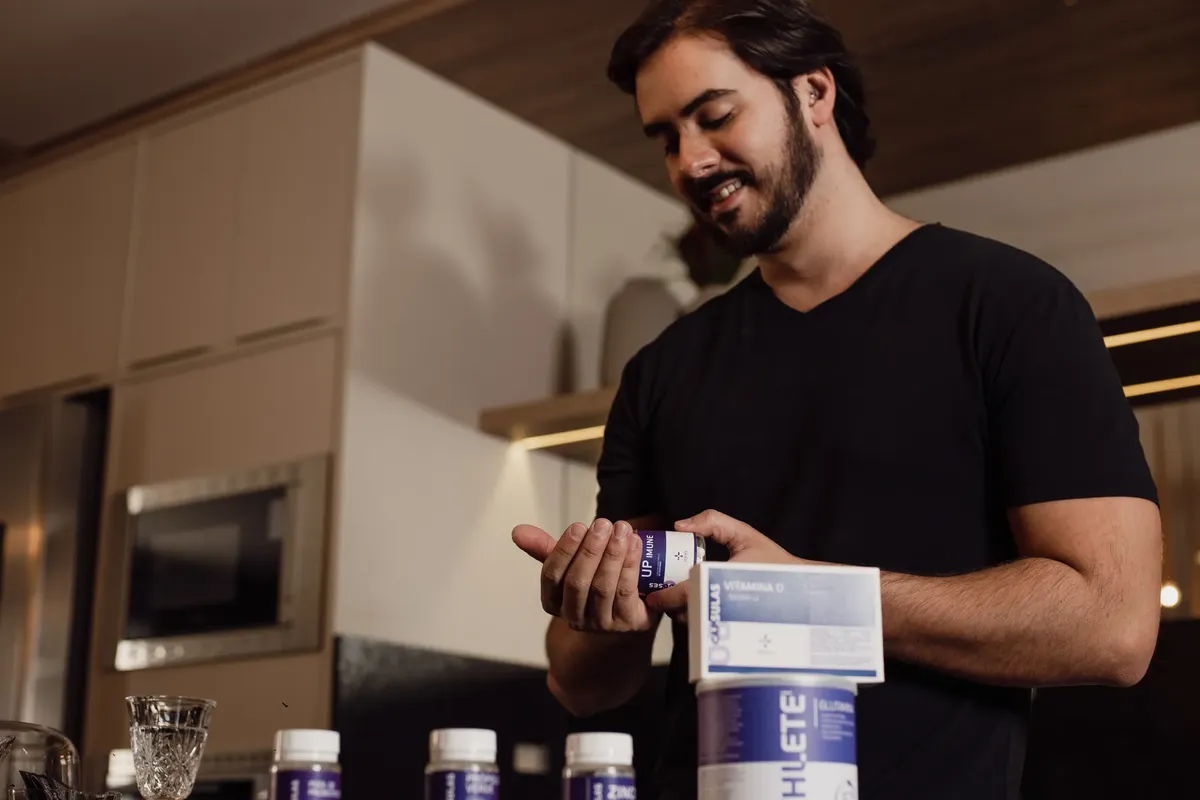
Under the bright morning light at the wooden table, I squint my eyes while scanning the zinc content on the label.
A person sits at a wooden dining table, examining the nutritional label on a box of cereal under the bright morning light. They note the specific milligram counts listed for various minerals to plan their day.
Comparing the mineral content in different food products helps in understanding how much iron or zinc you are consuming through your diet. Different processed foods and supplements offer varying concentrations that can impact your total daily intake.
| Food Item | Iron Content (per 100g) |
|---|---|
| Quick Oats with Iron, Dry | 49.4mg |
| Liquid Diabetes Supplement | 1.98mg |
I compared the iron levels in these two items to see how much a single serving might contribute to my daily requirements. According to USDA FoodData Central, Quick Oats with Iron, Dry contains 49.4mg of iron per 100g.
In contrast, the Nutritional supplement for people with diabetes, liquid, contains 1.98mg of iron per 100g.
How to manage zinc iron absorption?
A person reaches for a glass of water and a small pill container on a granite countertop during a mid-afternoon break. They follow a specific routine to ensure their supplements are processed effectively.
To optimize the zinc iron absorption, you should follow a structured approach to your supplement schedule. Proper timing ensures that the minerals do not interfere with one another during the peak absorption window.
- Separate your iron-rich meals or supplements from your zinc-heavy supplements by at least two hours. 2. Consume iron with a source of vitamin C to assist the body's natural uptake process. 3. Check your total daily mineral intake to ensure you are not exceeding recommended levels through multiple sources.
After following these steps, a final check of your schedule can confirm that your mineral intake is well-distributed throughout the day.
- Prioritize eating iron-rich foods.
- Include zinc sources in your meals.
- Space out your supplement intake.
What should I avoid when taking zinc iron pairing?
A person pauses while preparing a meal, looking at a variety of colorful vegetables and grains spread across a cutting board. They hesitate, remembering which food combinations might hinder their mineral goals.
When considering a zinc iron pairing, it is important to be aware of certain substances that can interfere with mineral uptake. Certain compounds found in tea, coffee, or high-fiber foods can bind to minerals and reduce their availability.
Taking zinc and iron requires awareness of these dietary inhibitors. If you consume high amounts of phytates or tannins at the same time as your supplements, you may find that the effectiveness of your zinc iron health impact is diminished.
Can I take them together?
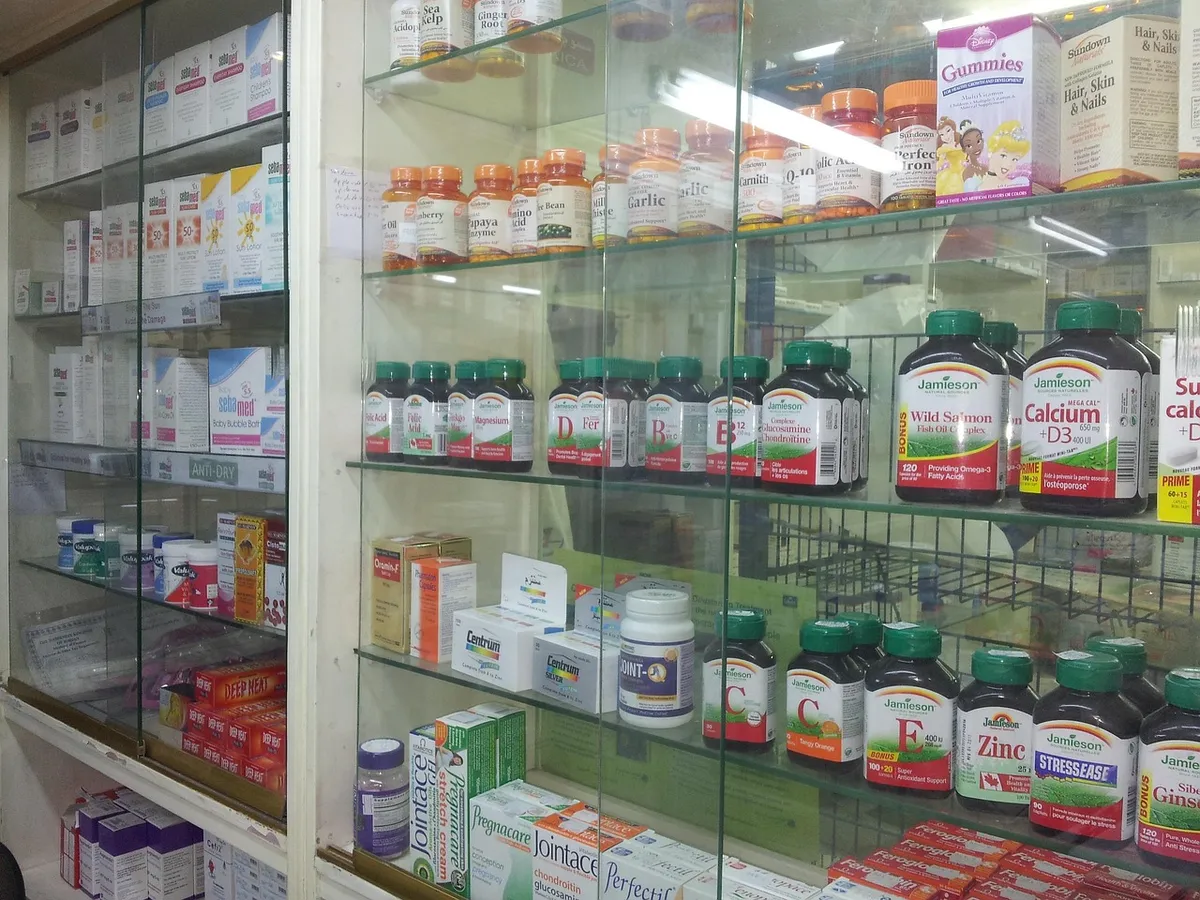
A person looks at two different supplement bottles sitting side-by-side on a bathroom shelf. They wonder if it is possible to simplify their routine by taking both at once.
Whether you can take them together depends largely on the dosage and your specific nutritional needs. While small amounts in food are generally well-tolerated, high-dose supplements are more likely to trigger competition for absorption.
If you are using high-potency pills, spacing them out is the most reliable method to ensure both minerals are utilized. For those relying on food, the naturally occurring levels in a balanced diet often do not pose a significant absorption conflict.
Wikipedia: Arsenic Based on the retained excerpt mentioning World Health Organization: It is estimated that approximately 57 million people in the Bengal basin are drinking groundwater with arsenic concentrations elevated above the World Health Organization's standard of 10 parts per billion (ppb).
The subject here is Zinc and iron synergy.
Related
- Iron zinc supplement combo: Guide to mineral intake
- Magnesium body storage ratio: 201mg calcium in tofu
What happens when high doses meet?
The competition for absorption becomes more pronounced when a person consumes large quantities of either zinc or iron. This condition means that the digestive system must manage a significant load of both minerals concurrently.
When the dosage of supplements is elevated, the likelihood of pathway saturation increases. This necessitates a careful consideration of the timing of the intake to maintain the desired nutritional relationship.
The understanding of this interaction highlights a critical caution: high-dose supplementation magnifies the potential for mineral antagonism. Therefore, monitoring intake becomes even more crucial under these specific conditions.
Disclaimer: This article is general information, not medical advice. Consult a qualified healthcare professional before taking any supplement or medication.






Comments 0