Zinc iron synergy benefits: Why ratios matter most
"The balance of essential minerals often dictates the efficiency of nutritional absorption, creating a delicate interplay between different elements in the body."
Understanding zinc iron synergy benefits requires looking at how these two minerals interact within the biological system. This guide explores how to manage mineral intake, the relationship between zinc and iron, and the potential for competition when they are combined.
Key takeaways include the importance of dietary balance, the role of fortification in public health, and the necessity of following safety directives for supplements.
How does zinc iron synergy benefits work in the body?
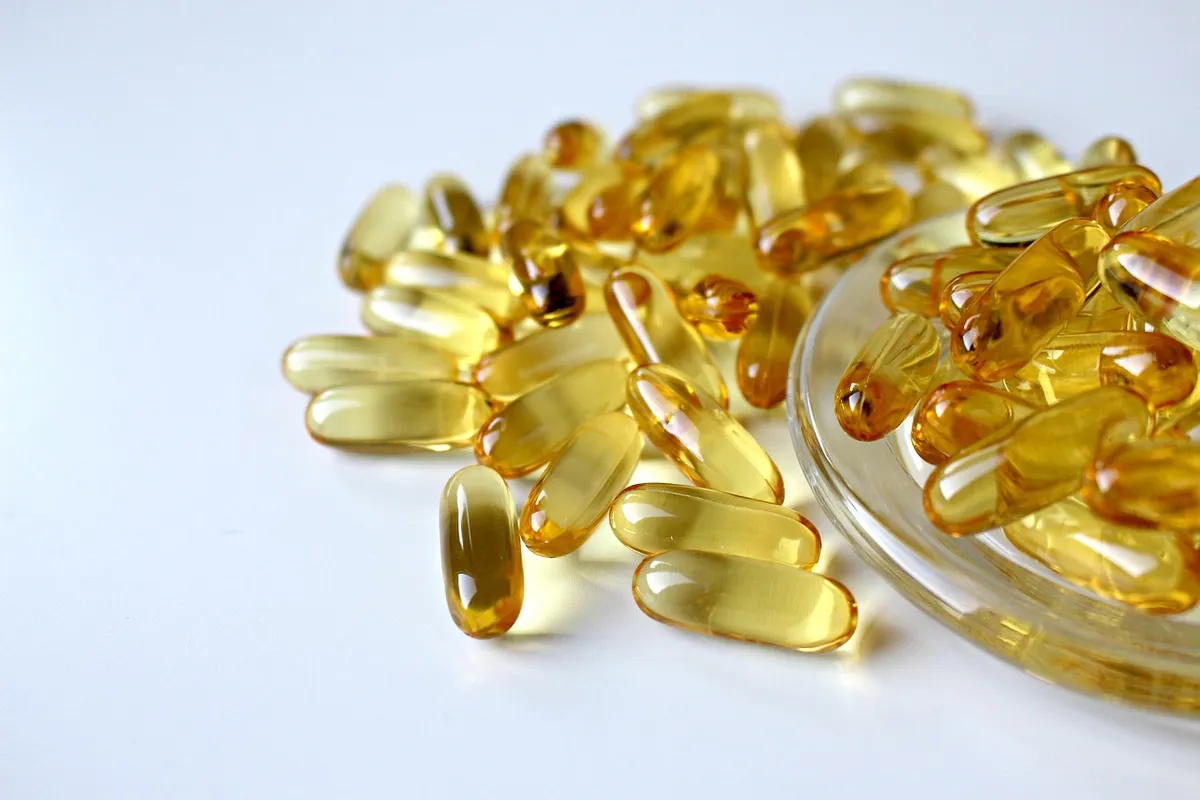
As the sun rises over the quiet kitchen, a hand trembles slightly while grasping a cold glass of water to facilitate the absorption of zinc.
A hand reaches for a glass of water next to a bottle of supplements, contemplating the complex chemistry of nutrition. The biological relationship between these minerals is often a matter of balance rather than simple addition.
The way the body processes minerals often involves competition for absorption pathways. When looking at how zinc helps iron, it is important to understand that they often utilize similar transport mechanisms.
This can lead to an imbalance if one mineral is taken in excessive amounts compared to the other.
The interaction is not always a direct boost but can be a regulatory dance. Mineral combo health depends on maintaining specific ratios to ensure that one does not hinder the presence of the other. This balance is vital for maintaining consistent physiological functions.
Zinc and iron work together to support immune function and oxygen transport throughout the body.
How will a mineral combo strategy impact my health?
At the heavy wooden table, a hand sweeps through a pile of papers while the scent of metallic zinc lingers in the morning air. A person sits at a kitchen table, reviewing a nutrition label to see how much iron is present per serving. Seeking an optimal mineral intake means looking beyond single-nutrient focus to the broader dietary context.
In certain regions, public health strategies focus on specific mineral deficiencies through large-scale food changes.
For instance, in 2023, the World Health Organization recommended fortification of rice with iron as a public health strategy to improve the iron status of populations in regions where rice is a staple food. This type of broad application addresses widespread needs.

A balanced approach ensures that different nutrients can coexist without causing deficiency in secondary areas. While one mineral provides specific support, the presence of another can influence how much of it is actually utilized.
A balanced mineral strategy helps maintain metabolic stability and overall vitality.
Can I boost zinc and iron through my diet?
In the bright supermarket aisle, a finger traces the texture of a grain bag while thinking about how to add zinc to a meal. A grocery cart is filled with various whole foods, from leafy greens to fortified cereals, as a meal plan is constructed. Many people look for ways to naturally manage their mineral levels through food.
According to the World Health Organization, in 2023, the World Health Organization recommended fortification of rice with iron as a public health strategy to improve the iron status of populations in regions where rice is a staple food.
One way to manage levels is through targeted food choices. For example, a liquid nutritional supplement for people with diabetes contains 1.98mg of iron per 100g. Using such specific foods can help meet daily requirements without overstepping.
Another example is found in infant nutrition, where specialized formulas are used. An infant formula, such as Abbott Nutrition Similac with iron, powder not reconstituted, contains 79ug of folate and 522kcal per 100g. These precise measurements help caregivers manage specific needs.
Incorporating diverse whole foods can naturally increase your intake of these essential minerals.
How does iron needs zinc for proper regulation?
A scientist examines a sample under a microscope, noting the intricate structures of cellular transport. The relationship between these two elements is a primary concern for those managing mineral levels.
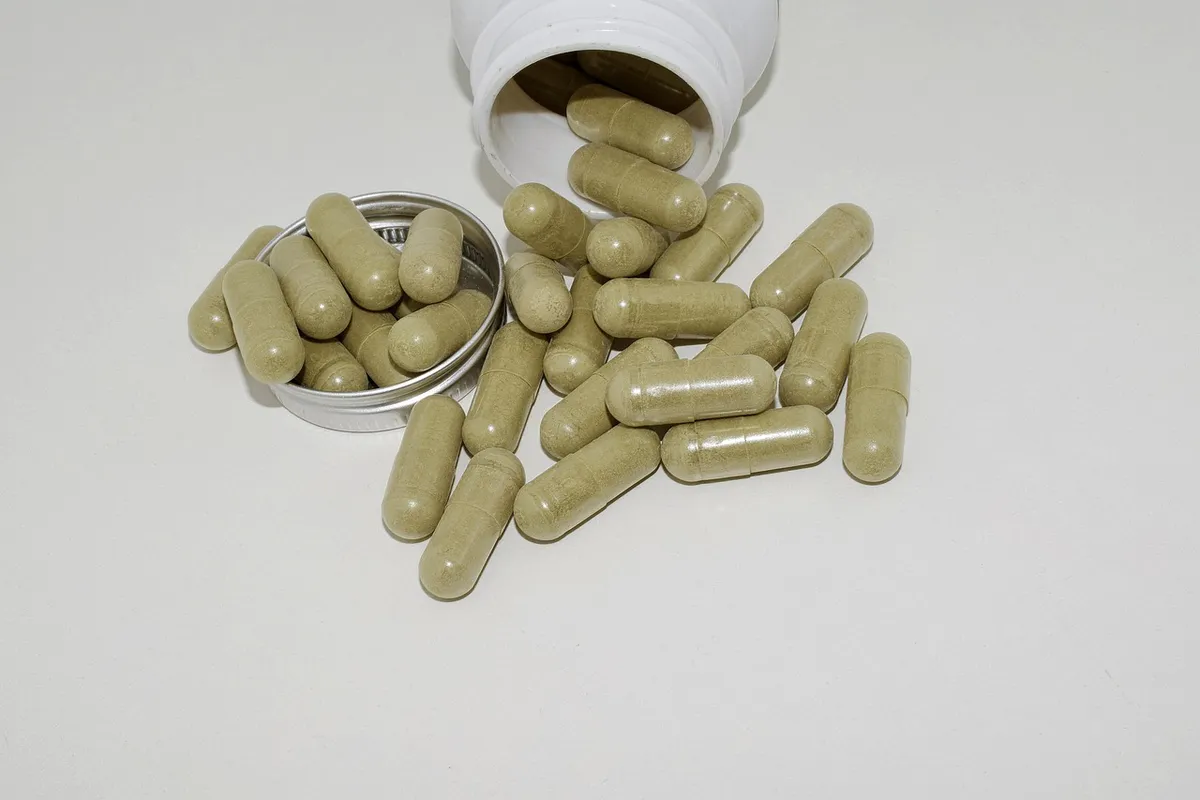
The concept that iron needs zinc for certain enzymatic processes is a cornerstone of nutritional science. However, excessive zinc can sometimes interfere with the absorption of iron, making the ratio a critical factor. Finding the right balance is the goal of most nutritional strategies.
This delicate balance is why professional guidance is often sought. Managing these levels requires an understanding of how the body prioritizes different elements during digestion and absorption.
Zinc plays a role in the enzymatic processes that help manage iron utilization in cells.
What are the steps for managing mineral intake?
A person carefully measures out a powder into a shaker, following a strict routine to ensure nutritional accuracy. Managing mineral levels requires a systematic approach to prevent both deficiency and toxicity.
- Review current dietary intake to identify existing levels of zinc and iron. 2. Consult professional guidelines or healthcare providers regarding specific dosage needs. 3. Monitor how the body responds to changes in mineral concentrations over time.
I make sure to check the specific milligram counts on every label before adjusting my daily routine. A final check involves ensuring that no single mineral is being taken in a way that could suppress the absorption of another essential nutrient.
| Nutrient Source | Iron Content (per 100g) |
|---|---|
| Diabetes Supplement (Liquid) | 1.98mg |
| Infant Formula (Powder) | Not specified |
- Assess your current dietary patterns.
- Identify high-quality mineral sources.
- Monitor how your body responds to changes.
Is there a risk in mineral pairing power?
A hand pauses before opening a new supplement bottle, considering the safety of the ingredients. While combining minerals can be beneficial, it is not without potential complications.
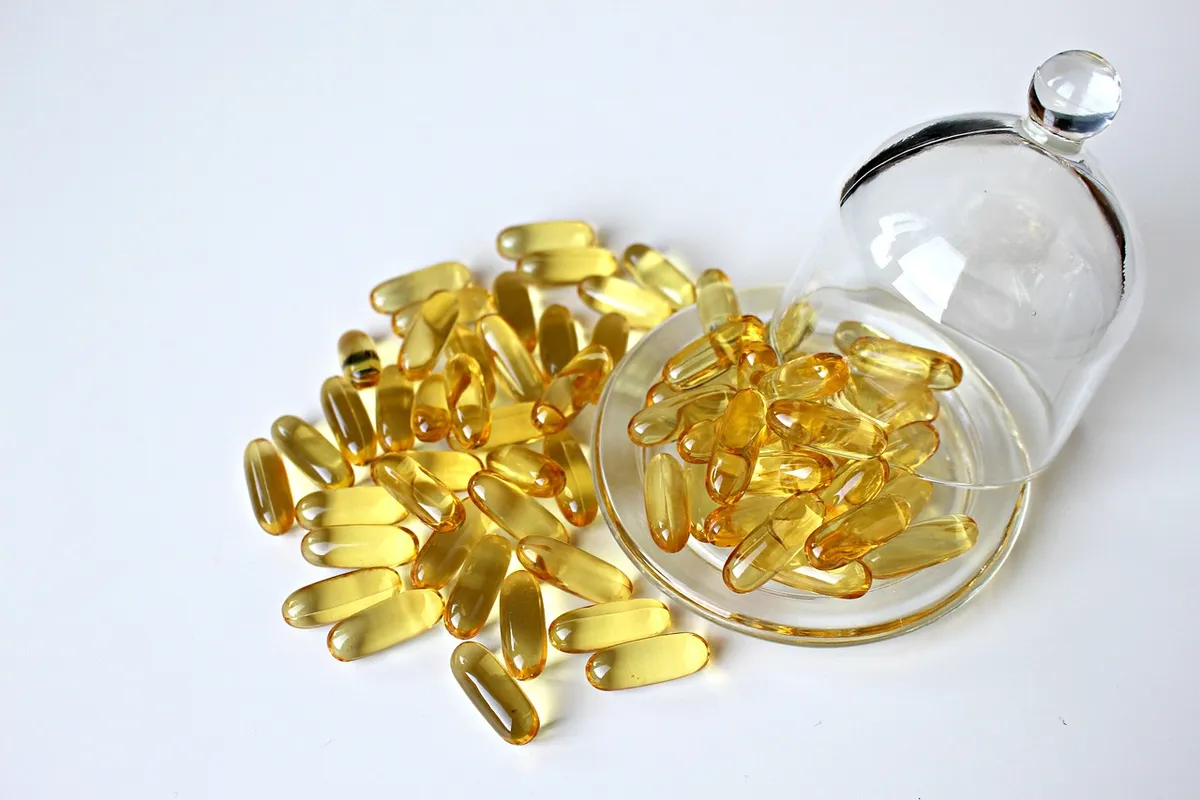
The regulation of supplements is a key factor in safety. The European Union's (EU) Food Supplements Directive of 2002 requires that supplements be demonstrated to be safe, both in dosages and in purity. This ensures that consumers are not taking substances that could cause harm.
A limitation of this discussion is that individual biological responses to mineral competition vary based on existing health conditions and total dietary composition.
In this sequence, the second step is the most comprehensive. Excessive intake of one mineral can sometimes interfere with the absorption of another.
The subject here is Zinc iron synergy benefits.
The same subject is also called Zinc iron combined effect.
The same subject is also called Boost with zinc iron.
Related
Disclaimer: This article is general information, not medical advice. Consult a qualified healthcare professional before taking any supplement or medication.








Comments 0