Achieving mineral absorption boost: Zinc iron B12 synergy
"The delicate balance of micronutrients within the human body relies on a complex interplay of minerals and vitamins to maintain steady physiological functions."
Achieving a healthy state requires understanding how specific elements interact to support cellular health and energy. This guide explores the zinc iron B12 synergy through nutritional data to show how these components work together.
Key takeaways include understanding mineral absorption boost through dietary variety, the role of red blood cell support, and how to prevent deficiency through balanced intake.
How do zinc iron B12 synergy levels appear in beverages?
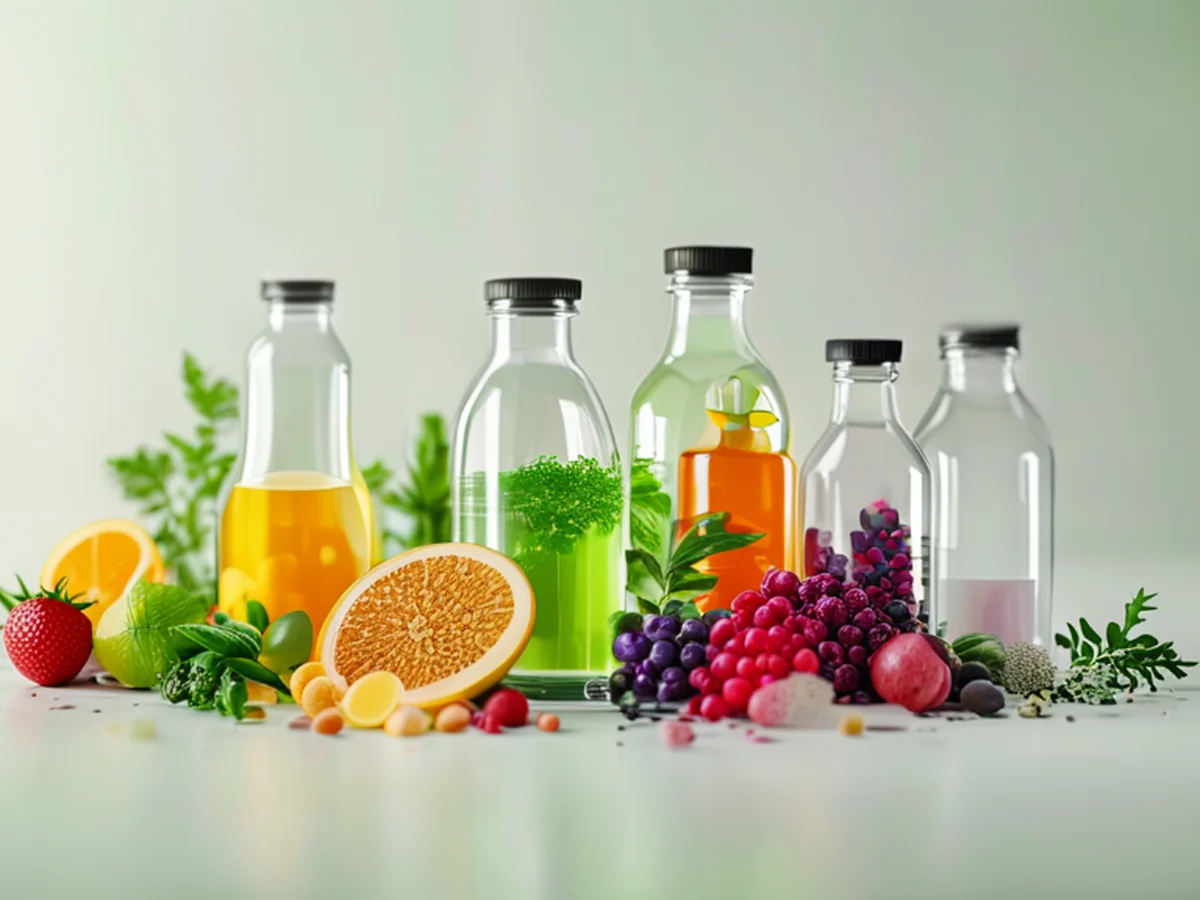
At noon in the bright kitchen, I squinted at the liquid in my glass while achieving a better understanding of its mineral contents.
A person holds a bottle of fortified coconut milk, looking at the nutritional label to understand the contents. The labels on such beverages provide specific data regarding the presence of essential components.
According to USDA FoodData Central, Monster energy drinks fortified with vitamins C, B2, B3, B6, and B12 contain 0.01mg of zinc, 0.04mg of iron, and 2.57ug of vitamin B12 per 100g.
This same beverage provides 131kj of energy.
The relationship between these nutrients is vital for maintaining a stable internal environment. A well-rounded diet helps manage the body nutrient balance by ensuring no single element is overlooked.
An energy drink sits on a table, its bright colors contrasting with the scientific data printed on the side. This beverage, fortified with vitamins C, B2, B3, B6, and B12, contains 2.57ug of vitamin B12 and 0.01mg of zinc per 100g.
The data shows that different products offer varying levels of these elements. For instance, the energy drink contains 0.04mg of iron per 100g.

A researcher compares the two different beverage profiles to identify specific nutritional concentrations. This comparison helps in understanding how different food sources contribute to the body's needs.
| Beverage Type | Iron (per 100g) | Vitamin B12 (per 100g) |
|---|---|---|
| Fortified Coconut Milk | 0.3mg | Not specified |
| Fortitied Energy Drink | 0.04mg | 2.57ug |
I observed that the coconut milk contains a higher iron concentration compared to the energy drink.
What is the role of red blood cell support in nutrition?
A person examines a glass of liquid, thinking about how the body processes vitamins to maintain vitality. The ability to support physiological functions often depends on the presence of specific vitamins.
According to USDA FoodData Central, sweetened fortified coconut milk contains 0.3mg of iron and 63ug of vitamin A per 100g.
The vitamins found in fortified drinks are essential for various biological processes. For example, B12 is a critical component in managing the health of blood components.
This type of red blood cell support is often facilitated by the presence of iron and B12 together. When these are consumed, they work toward maintaining the integrity of the blood.
A person looks at the different levels of zinc in a beverage, noting how it differs from iron. The data suggests that different foods provide distinct levels of mineral absorption boost opportunities.
The presence of zinc in an energy drink is listed at 0.01mg per 100g. This minor amount is part of the total nutritional profile.

Managing these levels is part of the effort to prevent deficiency in the long term. Ensuring a variety of food sources can help meet these requirements.
How can one prevent deficiency through balanced intake?
A person prepares a meal, carefully selecting ingredients to ensure a wide range of nutrients. This proactive approach is a common way to manage health through diet.
According to the Food and Drug Administration, the US Food and Drug Administration approved arsenic trioxide in 2000 for the treatment of patients with acute promyelocytic leukemia that is resistant to all-trans retinoic acid.
According to the World Health Organization, it is estimated that approximately 57 million people in the Bengal basin are drinking groundwater with arsenic concentrations elevated above the World Health Organization's standard of 10 parts per billion (ppb).
One strategy to prevent deficiency is to consume a variety of fortified foods. This ensures that the body receives a spectrum of minerals and vitamins.
The data from the energy drink shows a carbohydrate content of 11.3g per 100g. Such energy sources are often used to supplement daily intake.
The zinc iron B12 synergy is most effective when the body receives these elements in appropriate proportions. For example, the energy drink also contains 2mg of potassium and 77mg of sodium.
A person checks the labels on multiple bottles to see which one better fits their dietary needs. This careful selection is a practical step in nutritional management.

- Review the nutritional labels of fortified beverages to identify specific mineral and vitamin amounts. 2. Compare the concentrations of iron, zinc, and B12 across different food sources. 3. Integrate a variety of these sources into a daily diet to ensure a broad range of micronutrients. 4. Perform a final check to ensure the total intake aligns with personal nutritional goals.
- How do zinc iron B12 synergy levels appear in beverages?
- What is the role of red blood cell support in nutrition?
- How can one prevent deficiency through balanced intake?
This part also covers Optimal nutrient uptake.
Related
- Iron zinc supplement synergy: Guide to mineral intake
- Protein quality supplement guide: Athlete needs 1.2-1.8 g/kg
How does the delicate balance of micronutrients relate to overall health?
The delicate balance of micronutrients is maintained through the constant interaction of minerals and vitamins supporting steady physiological functions. This intricate interplay ensures that the body operates optimally by providing all necessary components for cellular activity.
The body relies on this delicate balance to sustain vitality. When the intake is varied, the body can effectively utilize the spectrum of minerals and vitamins present.
Maintaining this balance is crucial for long-term health. A diet that supports this delicate balance prevents the onset of deficiencies.
What cautions apply when consuming these beverages?
One caution is that the nutritional content varies widely between different commercially available beverages. Therefore, comparing labels is necessary for informed consumption.
The comparison of the two beverages highlights this variability in mineral concentration. The body processes these elements differently based on their source and quantity.
It is important to note that the presence of these nutrients alone does not guarantee perfect absorption or utilization by the body.
Disclaimer: This article is general information, not medical advice. Consult a qualified healthcare professional before taking any supplement or medication.








Comments 0