Protein quality supplement guide: Athlete needs 1.2-1.8 g/kg
Understanding protein quality through standardized metrics is essential for effective supplementation. This guide covers how to interpret scoring systems, meet specific athlete requirements, and recognize the difference between raw nitrogen content and digestible protein.

* Learn about the PDCAAS scoring system used by international organizations. * Compare protein intake targets for endurance and strength athletes. imitating the standard of the International Olympic Committee. * Identify how to read nutritional labels regarding nitrogen and protein calculations.
What is the standard for protein quality?
A scientist examines a laboratory report containing complex amino acid profiles.
The PDCAAS rating was adopted by the Food and Drug Administration (FDA) and the Food and Agricultural Organization of the United Nations/World Health Organization (FAO/WHO) in 1993 as "the preferred 'best'" method to determine protein quality.
While total protein mass matters, the efficiency of amino acid absorption is a critical factor. This ensures the body receives the necessary building blocks for repair and maintenance.
How much protein do athletes need? Protein quality supplement guide
An athlete wipes sweat from their forehead after a rigorous training session. The International Olympic Committee recommends protein intake targets for both strength and endurance athletes at about 1.2–1.8 g/kg body mass per day.
Determining the right amount is a core part of a best protein supplement guide. For those engaging in endurance exercise, the suggested amounts often fall between 1.2 to 1.4 g/kg. Meanwhile, those focusing on strength training may require up to 1.6-1.8 g/kg to support muscle development.
How can I check protein quality?
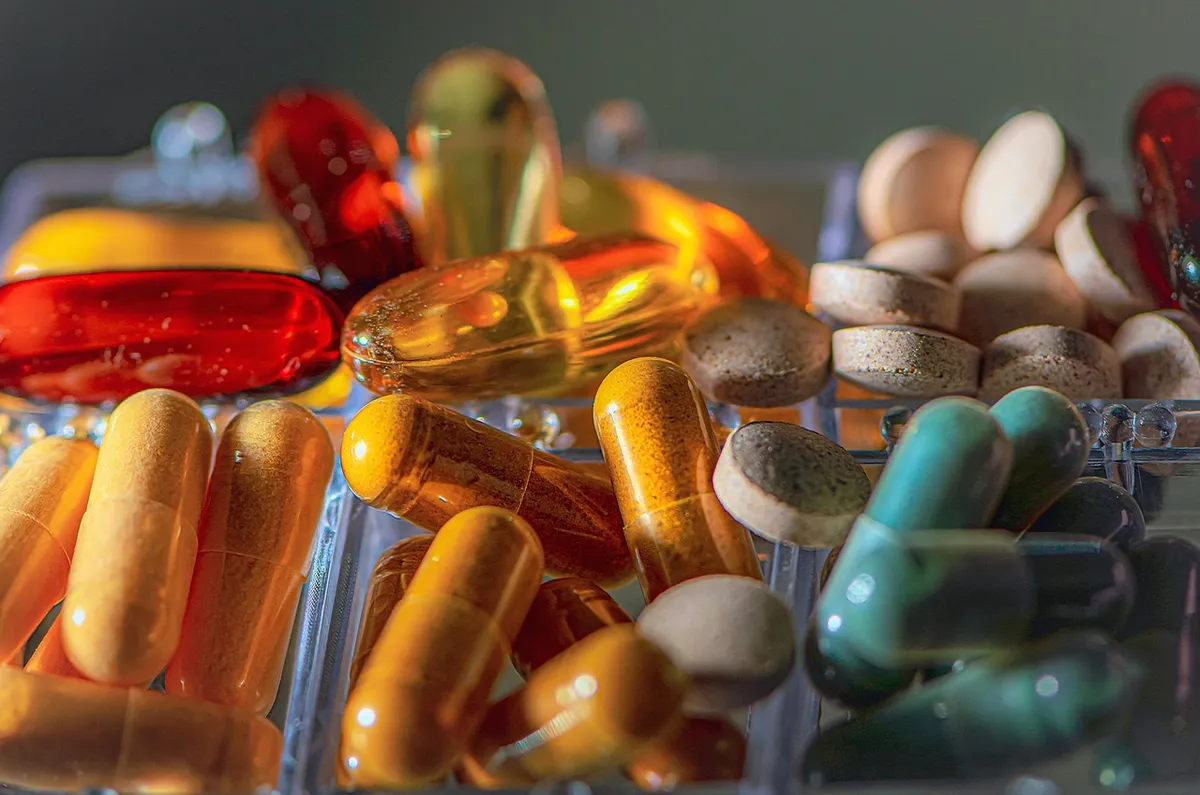
A consumer compares two different powder canisters on a kitchen counter. One bottle contains a higher concentration of protein per gram than the other. Checking labels for amino acid profiles and digestibility scores provides a clearer picture of what is being consumed.
A proper protein quality matters approach involves looking beyond the total grams. For instance, labeling often reflects protein calculated as the amount of nitrogen multiplied by 6.25, because the average nitrogen content of proteins is about 16%.
Understanding this conversion helps in choosing the right supplement protein standard.
| Product Type | Protein Content (per 100g) |
|---|---|
| Muscle Milk Powder | 45.7g |
| Muscle Milk Light Powder | Not specified |
I noticed that comparing these specific values helps clarify the density of nutrients in different formulations.
How do I manage protein intake for specific goals?
A person adjusts their meal plan to accommodate a new fitness routine. For individuals using restricted-calorie diets for weight loss, some suggest increasing protein consumption to 1.8–2.0 g/kg to avoid the loss of lean muscle mass.
This adjustment helps maintain body composition during caloric deficits.

To implement a successful protein intake for health plan, follow these steps:
- Calculate your current body mass in kilograms. 2. Determine your activity level to select a target range between 1.2 and 2.0 g/kg. 3. Cross-reference the supplement's amino acid profile with the PDCAAS standards.
Always verify that the total protein intake aligns with your specific energy requirements and activity intensity.
What are the limitations of protein labeling?
A researcher notes that total nitrogen levels do not always equal biological availability. While a label might show a high protein count, the actual absorption rate can vary based on the source.
For example, for milk proteins, about 50% of the ingested protein is absorbed between the stomach and the jejunum and 90% is absorbed by the time the digested food reaches the ileum.
A limitation of using raw protein numbers is that they do not account for individual digestibility or the specific needs of different life stages. For instance, the 1.2–1.8 g/kg range is specifically targeted at athletes and may not apply to sedentary individuals.
Wikipedia: Cell signaling Based on the retained excerpt mentioning Food and Drug Administration: G protein-coupled receptors are an important drug target and approximately 34% of all Food and Drug Administration (FDA) approved drugs target 108 members of this family.
- This metric helps distinguish between total protein and the actual usable nutrition provided to the body.
- Understanding this standard is the first step in a protein quality supplement guide.
- This specific range helps manage muscle mass and energy needs during intense physical activity.
The subject here is Protein quality supplement guide.
The same subject is also called Choosing protein powder.
This part also covers Supplement effectiveness tips.
Related
- Why Zinc three main roles support enzyme function
- Vitamin D boost immunity: 1.25 million Guide to milk types
How does nitrogen relate to protein intake?
- Nitrogen content allows for a calculation of total protein mass present in a foodstuff. 2. The conversion factor of multiplying nitrogen content by 6.25 yields the estimated protein amount. 3. This calculation relies on the average assumption that proteins contain approximately 16% nitrogen.
This calculation provides a standardized way to estimate the protein contribution of various food sources. While useful for initial assessment, this method does not account for biological availability during digestion.
When should protein intake be adjusted?
- Athletes engaged in endurance exercise might require a lower end of the recommended intake spectrum. 2. Conversely, individuals whose training focuses on strength gains may benefit from the higher end of the intake spectrum. 3. Those undergoing caloric restriction for weight management might need to increase protein intake beyond the standard athlete range.
These adjustments reflect the differing metabolic demands placed upon the body during varied training protocols. Understanding these nuances optimizes the body's utilization of the ingested protein.
Why is Understanding Protein Important? The understanding of protein is crucial because the body requires more than just total mass; it needs bioavailable building blocks. The comparison between raw nitrogen content and digestible protein highlights this difference in usability. This understanding allows consumers to move beyond simple label reading toward optimizing bodily function.
Proper understanding of protein quality dictates whether the ingested material contributes to repair or simply passes through. The PDCAAS system attempts to quantify this efficiency, making it a superior metric to simple mass comparison.
Therefore, understanding the nuances of protein intake ensures that supplementation serves a physiological purpose rather than just adding mass to the diet.
What are the practical applications of this knowledge?
The practical application involves matching the ingested protein quality to the specific metabolic demands of the individual.
For instance, an endurance athlete's needs differ from those of a strength athlete, requiring tailored intake adjustments based on the quality and quantity of the protein consumed. This comparison ensures the body receives the precise components needed for its current activity level.








Comments 0