Iron zinc supplement synergy: Guide to mineral intake
"The careful balance of essential minerals is not just about meeting daily requirements, but about understanding how they interact within the body's complex systems."
Understanding the iron zinc supplement synergy requires looking at how different minerals compete for or support absorption pathways. This guide explores how to navigate mineral combinations, the importance of dosage safety, and the role of fortified foods in meeting nutritional needs. 1. Recognizing the role of mineral fortification in staple foods. 2. Understanding the necessity of safety in dietary supplement dosages. 3. Navigating the relationship between different mineral intake methods. * Identifying the importance of specific nutrient profiles in specialized formulas.
How does iron zinc supplement synergy work?

In the quiet kitchen at dawn, she stirs the powder into her glass, feeling the grit of the iron supplement against her teeth.
A person stands in a kitchen, carefully measuring out different mineral powders into a glass of water. They wonder how these elements interact when taken together.
The iron zinc supplement synergy involves the complex biological dance where minerals can either assist or hinder one another's uptake. While some minerals work together to support metabolic functions, others may compete for the same transport proteins in the gut.
This interaction means that the timing and ratio of intake can change how much of a specific mineral actually reaches the bloodstream.
According to the European Union's Food Supplements Directive of 2002, supplements must be demonstrated to be safe in both dosages and purity. This regulation ensures that when consumers attempt to manage mineral levels, they are working within established safety parameters.
Understanding these boundaries is the first step in managing mineral pairing guide strategies.
- Identify the specific physiological roles of each mineral. 2. Balance the dosage to prevent competitive absorption. 3. Time the intake to optimize bioavailability.
What are the risks of mineral interaction?
In the dimly lit lab at midnight, he winces as the sharp scent of rust hits his nose while he examines the heavy iron sample.
A researcher looks through a microscope, observing how different elements move through a sample. They consider the implications of over-supplementation.
The primary risk in mineral pairing is the potential for one element to block the absorption of another, a concept often referred to as mineral absorption help. For instance, high doses of certain minerals can interfere with the uptake of others, potentially leading to secondary deficiencies.
This makes the iron zinc interaction a critical topic for those managing their micronutrient levels.
The European Union's Food Supplements Directive of 2002 requires that supplements be demonstrated to be safe, both in dosages and in purity. Maintaining this balance is essential to avoid the unintended consequences of mineral deficiency signs.
Managing these levels requires a clear understanding of how different substances affect the body.
In this sequence, the second step is the most critical.
How can we improve mineral status through food?

At the bustling outdoor market during midday, she bites into a leafy green salad and feels the earthy taste of iron on her tongue.
A chef prepares a large pot of rice, carefully adding fortified grains to the mix. They think about the large-scale impact of nutrition.
According to the World Health Organization, in 2023, the World Health Organization recommended fortification of rice with iron as a public health strategy to improve the iron status of populations in regions where rice is a staple food.
Public health strategies often utilize food fortification to address widespread mineral gaps. For example, in regions where rice is a staple, fortification can be a vital tool for improving the iron status of the population.
This method ensures that large groups receive necessary nutrients through their regular diet.
In 2023, the World Health Organization recommended fortification of rice with iron as a public health strategy to improve the iron status of populations in regions where rice is a staple food. This approach provides a stable way to manage mineral levels across entire communities.
Such strategies are key to effective mineral deficiency signs management.
What should be considered when choosing specialized formulas?
A parent prepares a bottle of infant formula, checking the label for specific nutrient counts. They want to ensure the best nutrition for their child.
Specialized nutritional products, such as infant formulas or supplements for specific dietary needs, contain precise mineral profiles. These formulations are designed to meet the unique requirements of different life stages.
When looking at these products, it is vital to check the specific milligram counts to ensure they align with nutritional goals.
For example, infant formula from Abbott Nutrition, specifically Similac with iron (powder, not reconstituted), contains 126mg of sodium, 79ug of folate, 522kcal of energy, 2180kj of energy, 7.9ug of vitamin D, 28.9g of fat, 10.9g of protein, 54.7g of carbohydrates, 410mg of calcium, and 552mg of potassium.
These specific values are critical for meeting the needs of growing children. This level of detail is necessary for an effective mineral pairing guide.
How to manage mineral intake safely
A person sits at a table with a variety of supplement bottles, comparing the labels one by one. They are planning their daily routine.
Managing mineral intake requires a structured approach to ensure both efficacy and safety.
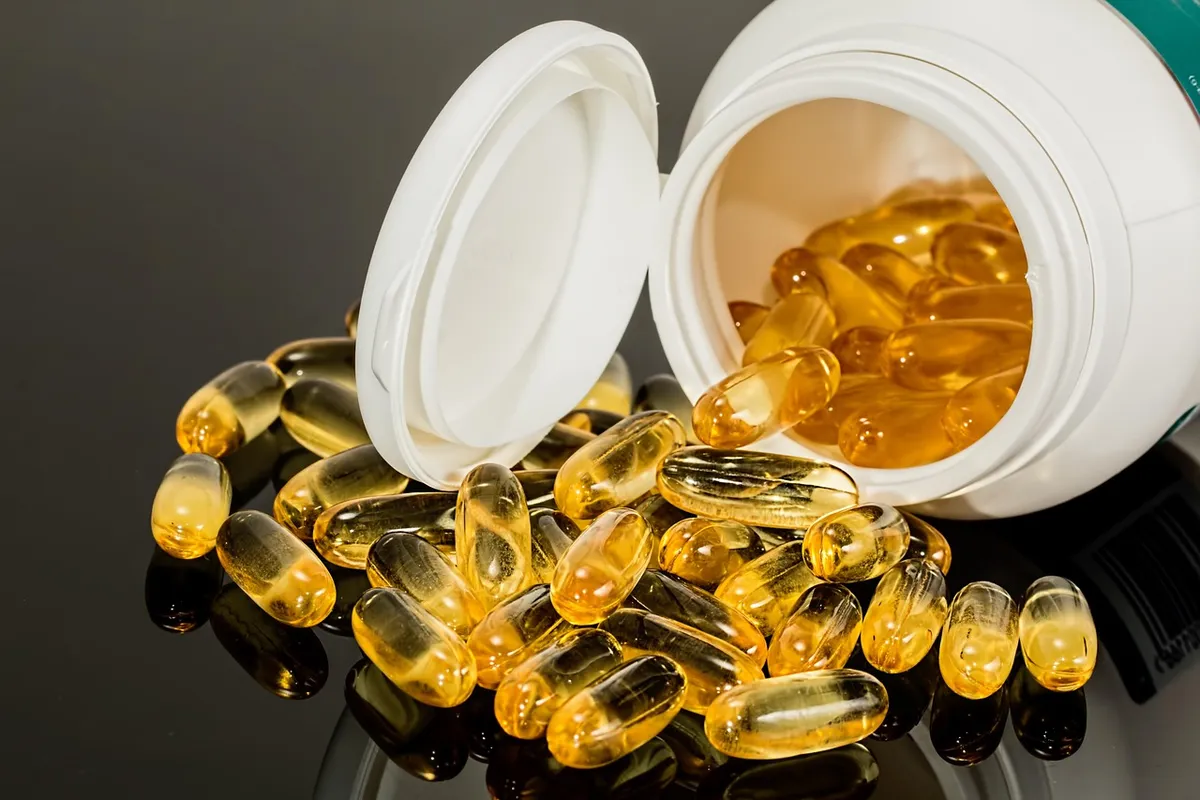
- Review the specific nutrient density of the product, such as the 1.98mg of iron found in a 100g serving of a liquid nutritional supplement for people with diabetes. 2. Compare the dosage levels against established daily requirements to avoid excessive intake. 3. Check the purity and safety standards of the manufacturer to ensure the product meets regulatory requirements.
I once spent an entire afternoon comparing the different mineral concentrations in various liquid supplements to see how they varied. This careful comparison is essential for anyone looking to optimize their nutrition through supplementation.
A limitation of this discussion is that specific absorption rates can vary significantly based on an individual's unique health status and existing dietary patterns.
The same subject is also called Mineral combo benefits.
This part also covers Best time to take iron.
This part also covers Iron zinc absorption rate.
Best time to take iron
Related
- Protein quality supplement guide: Athlete needs 1.2-1.8 g/kg
- Why Zinc three main roles support enzyme function
Disclaimer: This article is general information, not medical advice. Consult a qualified healthcare professional before taking any supplement or medication.








Comments 0