Magnesium deficiency signs best tips for dietary patterns
"Magnesium is an essential macronutrient constituting 0.2-0.4% of plants' dry matter, and is necessary for normal plant growth."
Magnesium deficiency signs often manifest through physiological shifts that indicate a lack of this essential mineral in the bloodstream.
This guide helps you identify potential magnesium deficiency signs, provides a method for checking your nutritional status, and suggests dietary options for replenishment.
You should focus on recognizing subtle body signals nutrient low, though a definitive diagnosis requires clinical testing, and note that nutritional intake varies significantly by individual lifestyle.

* Recognizing common magnesium deficiency signs * Understanding hypomagnesemia levels * Using a self test for magnesium via dietary patterns * Comparing nutrient density in tofu varieties
How can I tell if I'm low on magnesium? A person sits at a kitchen table, staring at a glass of water while feeling a sudden, inexplicable muscle twitch in their eyelid. They wonder if their recent fatigue or irregular heart rhythms are connected to their mineral intake.
Recognizing magnesium deficiency signs involves paying close attention to these involuntary physical responses.
Low plasma magnesium, known as hypomagnesemia, is a common occurrence found in 2.5–15% of the general population. While many people remain asymptomatic, others may notice muscle cramps or changes in sleep patterns.
Monitoring these body signals nutrient low can be the first step in proactive health management.
How is magnesium deficiency diagnosed? Magnesium deficiency signs
A technician in a clinical laboratory prepares a blood sample, carefully pipetting the clear fluid into a centrifuge to separate the plasma. The machine whirs, processing the sample to determine the exact concentration of minerals.
This process is the only way to confirm a mineral lack with certainty.
According to technical data, normal magnesium levels in the blood fall between 0.6 and 1.1 mmol/L (1.46–2.68 mg/dL). If levels drop below 0.6 mmol/L (1.46 mg/dL), the condition is defined as hypomagnesemia.

This specific threshold provides a clear metric for medical professionals to assess deficiency.
Can I test my magnesium levels myself? A person opens a notebook and begins listing everything they have eaten over the last week, noting the frequency of leafy greens and nuts. They look for patterns in their diet to see if they are meeting their daily requirements.
This form of a self test for magnesium relies on dietary observation rather than biological measurement.
To assess your risk, follow these steps: 1. Review your daily intake of magnesium-rich foods like legumes, seeds, and whole grains. 2. Compare your current diet against the Dietary Reference Intake to see if you are falling short. 3.
Note any recurring physical symptoms like muscle spasms or fatigue.
I found that tracking my meals in a digital log made it much easier to see where my mineral intake was lacking. It is important to remember that from 2005 to 2006, 48 percent of the United States population consumed less magnesium than recommended in the Dietary Reference Intake.
Which foods help prevent a mineral lack?
A shopper walks through the produce aisle, reaching for a package of firm tofu and a bag of spinach. They check the nutrition labels carefully, looking for high concentrations of essential minerals to bolster their diet.
Based on data from USDA FoodData Central, firm tofu prepared with calcium sulfate and magnesium chloride contains 9.04g of protein, 201mg of calcium, and 148mg of potassium per 100g.
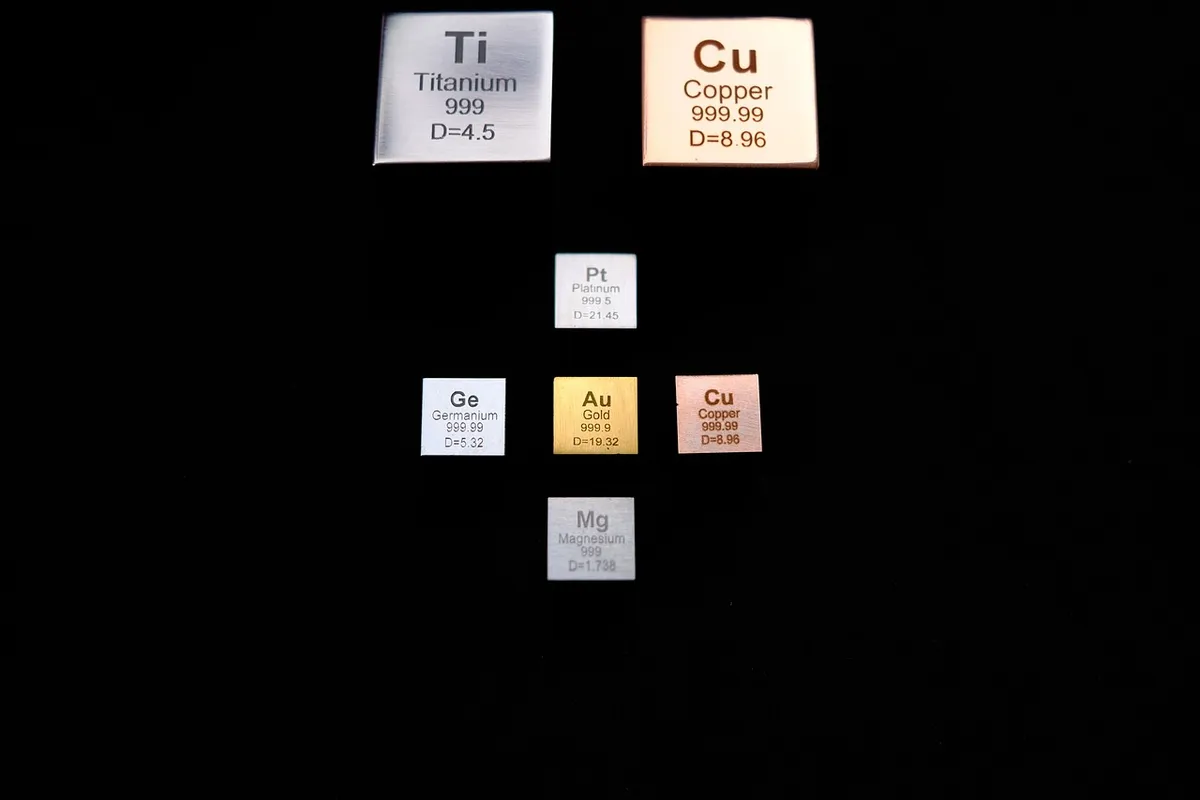
Choosing the right food sources is a primary way to manage a healthy living self check.
Different food preparations offer varying levels of mineral density. For example, firm tofu prepared with calcium sulfate and magnesium chloride (nigari) provides specific nutrient values.
| Tofu Type | Calcium (mg) | Protein (g) |
|---|---|---|
| Firm (with nigari) | 201mg | 9.04g |
| Soft (with nigari) | 111mg | 7.17g |
Selecting nutrient-dense options is a key part of a preventing sickness guide.
How does the body process magnesium?
A person swallows a magnesium citrate supplement, feeling the cool liquid move down their throat. They are aware that the body must break down and absorb the mineral to make it useful for cellular functions. Understanding absorption is vital for effective supplementation.
According to the European Commission, magnesium has appeared on every European Commission list of critical raw materials since the first list, published in 2011.
The body absorbs magnesium with reasonable efficiency, typically between 30–40%, from soluble magnesium salts such as chloride or citrate. This efficiency means that the form of the mineral you consume matters for its bioavailability.
However, this absorption rate is not a guarantee of total systemic levels.
What are the limitations of self-monitoring?
A student sits in a library, surrounded by health textbooks, trying to reconcile their symptoms with the information they have read online. They realize that while their research is helpful, it cannot replace a professional's expertise.

A limitation of using dietary patterns for assessment is that individual absorption rates vary based on gut health and the presence of other minerals. Furthermore, the absence of clinical blood testing means that a person cannot confirm hypomagnesemia through observation alone.
- What are the magnesium deficiency signs?
- How is magnesium deficiency diagnosed?
- Can I perform a self test for magnesium?
The same subject is also called Low magnesium symptoms.
The same subject is also called Check for mineral lack.
This part also covers Vitamin and mineral care.
Healthy living self check
Related
- Signs of nutrient deficiency: Why lack impacts health
- Iron Deficiency: Why 8.8% of People Feel Constantly Fatigued
Disclaimer: This article is general information, not medical advice. Consult a qualified healthcare professional before taking any supplement or medication.






Comments 0