Five health risks hidden in a bottle of soju.
Soju, a common alcoholic beverage in Korea, can be enjoyable in moderation. However, repeated overconsumption can have significant impacts on the body. Soju has a high alcohol content and provides minimal nutritional value, making it important to consume it responsibly. This article outlines the effects of a single bottle of soju on the body, based on scientific principles and practical considerations. If you're concerned about your drinking habits, consider these five potential risks.
1. Liver Damage: Toxic Substances Generated During Alcohol Breakdown
The ethanol in soju is broken down into acetaldehyde in the liver. This process puts stress on liver cells, and acetaldehyde is a known carcinogen that increases the risk of liver damage and cancer. If the liver doesn't function properly, it can lead to fatty liver, inflammation, and fibrosis. Even moderate consumption, such as drinking one bottle per day, can impair liver function.
[Image: 5 Hidden Health Risks of a Bottle of Soju]
2. Neurological Effects: Reduced Concentration and Insomnia
Alcohol acts as a central nervous system depressant, inhibiting the activity of brain cells. While drinking a bottle of soju can temporarily induce relaxation, it often disrupts sleep quality and causes awakenings during the night. Furthermore, after alcohol metabolism, there is an imbalance in neurotransmitters such as norepinephrine and serotonin, which can lead to fatigue and moodiness the next day.
3. Calorie Density: Soju Can Be "Empty Calories"
A single bottle (360ml) of soju contains approximately 250-280 calories. This is comparable to a bowl of rice, and the alcohol interferes with fat metabolism, as it is prioritized for breakdown in the body, hindering fat burning. In particular, overeating after drinking accelerates the accumulation of abdominal fat. Soju is often referred to as "empty calories" because it provides energy without providing essential nutrients.
4. Dehydration: Risk of Dehydration and Anemia
Alcohol inhibits water reabsorption in the kidneys, leading to increased urine output and significant fluid loss. This can cause headaches, fatigue, and dry mouth the next day. In today's dry environment, dehydration symptoms are even more pronounced. Additionally, alcohol can inhibit iron absorption and disrupt the balance of gut bacteria, potentially leading to chronic anemia or digestive problems.
[Image: 5 Hidden Health Risks of a Bottle of Soju]
5. Cardiovascular Effects: Short-Term Stability, Long-Term Risks
While drinking soju can initially create a feeling of excessive relaxation due to vasodilation, this is only temporary. Long-term alcohol consumption can be associated with reduced heart muscle function and an increased risk of atherosclerosis. In particular, for people with high blood pressure, alcohol consumption can make it difficult to control blood pressure and increase the risk of myocardial infarction or stroke.
6. Post-Drinking Weight Gain: The Impact of Drinking Patterns on Fat Accumulation
The pattern of increased appetite and consumption of high-calorie foods after drinking, often referred to as "post-drinking ribs," is a major cause of weight gain. Alcohol acts as a stimulator for fatty acid synthesis, promoting fat storage in the body. This is not just a short-term weight fluctuation, but rather a tendency for continuous weight gain when drinking soju three or more times per week.
[Image: 5 Hidden Health Risks of a Bottle of Soju]
7. The Allure of Ribs: Hidden Calories from Food Consumption
Side dishes commonly consumed with soju are often high in calories. For example, a serving of samgyeopsal (pork belly) or galbi-jjim (braised ribs) can contain over 400-600 calories, and when consumed with soju, the total calorie intake can exceed 1000. This is more than half of the recommended daily calorie intake and increases the risk of obesity. The reason for increased appetite after drinking is that alcohol stimulates the brain's reward system.
While alcohol can provide temporary relaxation and mood elevation, the body bears various burdens as a result. Recognizing that a single bottle of soju is not just "alcohol" but also a physiological stressor is the first step. Checking your drinking frequency and amount, paying attention to hydration, and making mindful choices about side dishes are essential for healthy drinking habits. Alcohol should be a friend you can enjoy for a long time, not a heavy burden that accumulates stress.
Related posts
Here's how to check your nutritional balance in just 30 seconds a day.
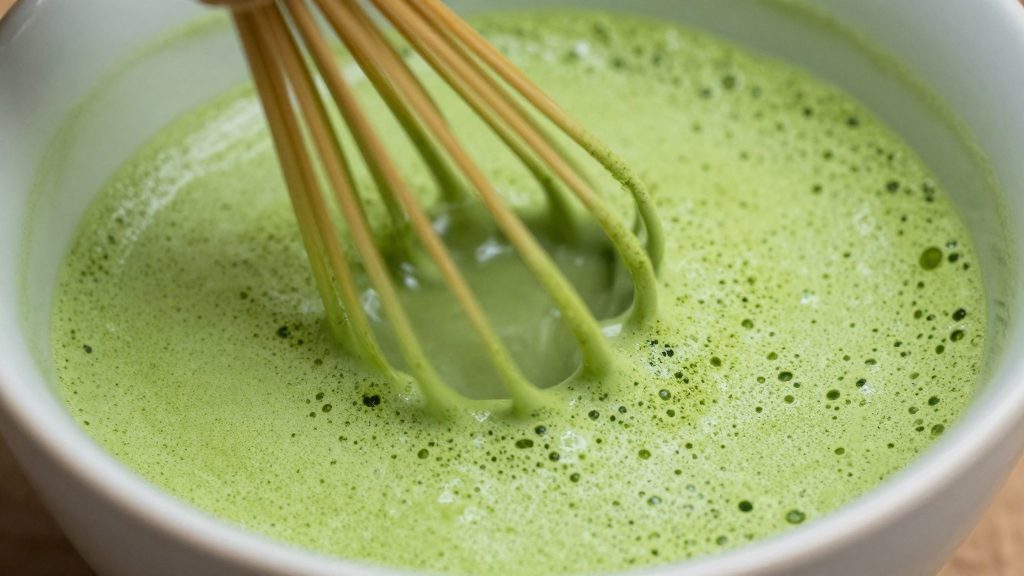
Here are 3 drinks that I take every morning, instead of pills – I dissolve them in hot water.
Here are 5 health checks to help you moderate your soju consumption and avoid overindulgence.
The habit of drinking soju: its impact on health and guidelines for balanced consumption.
Popular posts
Here's how to check your nutritional balance in just 30 seconds a day.
Comments 0