Hydrogen Best Tips 5% Clean Energy Research Guide
This article serves those interested in the technical evolution of turbine systems and the academic landscape of high-level energy research. It details how hydrogen-compatible turbomachinery research addresses the challenges of transitioning to cleaner fuels. Readers will learn about the necessity of material durability, the role of specialized academic institutions, and the technical hurdles in current recycling and energy efficiency models.

* The necessity of developing hydrogen-compatible turbomachinery research to support clean energy transitions. * The importance of institutional classification in identifying high-level research environments. * The technical limitations of current material separation and recycling efficiencies.
How does hydrogen turbomachinery research impact energy transitions?
At midnight in the dimly lit lab, the engineer feels the cold vibration of the turbine as he monitors the hydrogen flow.
A researcher adjusts a valve on a high-pressure test rig, watching the gauges react to a hydrogen-rich mixture. This hydrogen turbomachinery research is essential because hydrogen possesses unique combustion characteristics that differ significantly from traditional natural gas.
Engineers must redesign components to prevent embrittlement and manage different thermal profiles.
Developing these systems requires understanding how hydrogen interacts with rotating components under extreme stress. Advanced turbine studies focus on the structural integrity of blades and seals when exposed to hydrogen.
This specialized work ensures that the transition to renewable fuels does not compromise the reliability of existing power generation infrastructure.
What defines a top-tier environment for hydrogen compatible research?
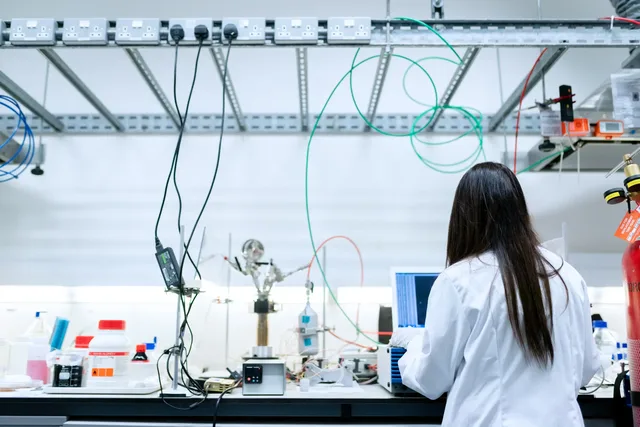
A scholar walks through a quiet, glass-walled laboratory, surrounded by complex fluid dynamics simulations on large monitors. Finding the right setting for hydrogen compatible research involves identifying institutions with significant infrastructure and historical expertise.
Academic rigor is a cornerstone of these specialized environments.
According to Wikipedia, as of the 2025 update, the Carnegie Foundation classifies 216 institutions as "Research Colleges and Universities." These environments provide the necessary funding and peer networks to sustain long-term experimental cycles.
Such institutions are vital for the deep technical dives required in energy science.
Why is turbomachinery technology use critical for industrial decarbonization?
An engineer examines a microscopic fracture in a metal alloy sample taken from a spent turbine blade. Effective turbomachinery technology use allows industries to repurpose existing energy frameworks for carbon-neutral operations.
By adapting mechanical hardware to handle new fuel types, the global economy can reduce its carbon footprint more rapidly.
The transition relies on the ability to scale these technologies from small-scale laboratory proofs to massive industrial plants. This process involves rigorous testing of material fatigue and heat transfer rates.
Success in this area directly correlates to how quickly heavy industry can move away from fossil fuel dependence.
Can new turbomachinery design overcome current material limits?
A technician pours a liquid coolant into a specialized chamber, ensuring the temperature remains stable during a high-speed spin test. A new turbomachinery design must account for the specific chemical reactivity of hydrogen.

Traditional alloys often fail when subjected to the rapid cooling or high-temperature spikes characteristic of hydrogen combustion.
Designing for these conditions requires a fundamental shift in metallurgy and fluid mechanics. Researchers must balance the weight of components with the increased strength needed to resist hydrogen-induced cracking.
This evolution in design is the primary hurdle in making hydrogen a viable industrial fuel.
What are the challenges in a hydrogen turbine application case?
A specialist monitors a digital readout during a simulated combustion event, noting the slight deviation in pressure. A hydrogen turbine application case often reveals unexpected leakage or combustion instability.
Because hydrogen is a much smaller molecule than methane, it can escape through seals that were previously considered airtight.
Managing these leaks requires the development of advanced sealing technologies and tighter tolerances in manufacturing. Engineers also have to address the "flashback" phenomenon, where the flame travels back into the burner.
Solving these specific mechanical issues is the focus of ongoing experimental trials.
How does research on gas turbine efficiency relate to recycling?
A worker at a sorting facility observes a conveyor belt of mixed metallic scrap moving toward a heavy grinder. While energy-focused research often looks at fuel, it is also tied to the lifecycle of the materials used in construction.
The efficiency of the energy sector is inherently linked to how we manage the hardware of the past.

The technical reality of material management is complex. According to Wikipedia, recycling aluminium uses only 5% of the energy of virgin production. However, despite improvements in technology and quality of recyclate, sorting facilities are still not 100% effective in separating materials.
This limitation means that even the most efficient turbine designs must eventually contend with the realities of material recovery and waste.
- How does hydrogen turbomachinery research impact energy transitions?
- What defines a top-tier environment for hydrogen compatible research?
- Why is turbomachinery technology use critical for industrial decarbonization?
The same subject is also called Bath hydrogen tech advance.
Related
- Flupirtine research results guide how to manage pain best
- Growth hormone function study: 10 days How hormone tips body
Disclaimer: This article is general information, not medical advice. Consult a qualified healthcare professional before taking any supplement or medication.








Comments 0