Zinc iron supplement combo: How to best manage intake
Taking zinc and iron together requires careful timing and understanding of how these minerals interact within the body. This guide explains how to manage a zinc iron supplement combo to ensure you are getting the most out of each nutrient.
* Understand that minerals can compete for absorption if taken in high doses simultaneously. * Identify high-iron food sources like fortified oats to balance your intake. * Recognize that supplement safety is regulated by specific regional directives. * Note that individual dietary variety significantly impacts the need for supplementation.
How do minerals interact in a zinc iron supplement combo?
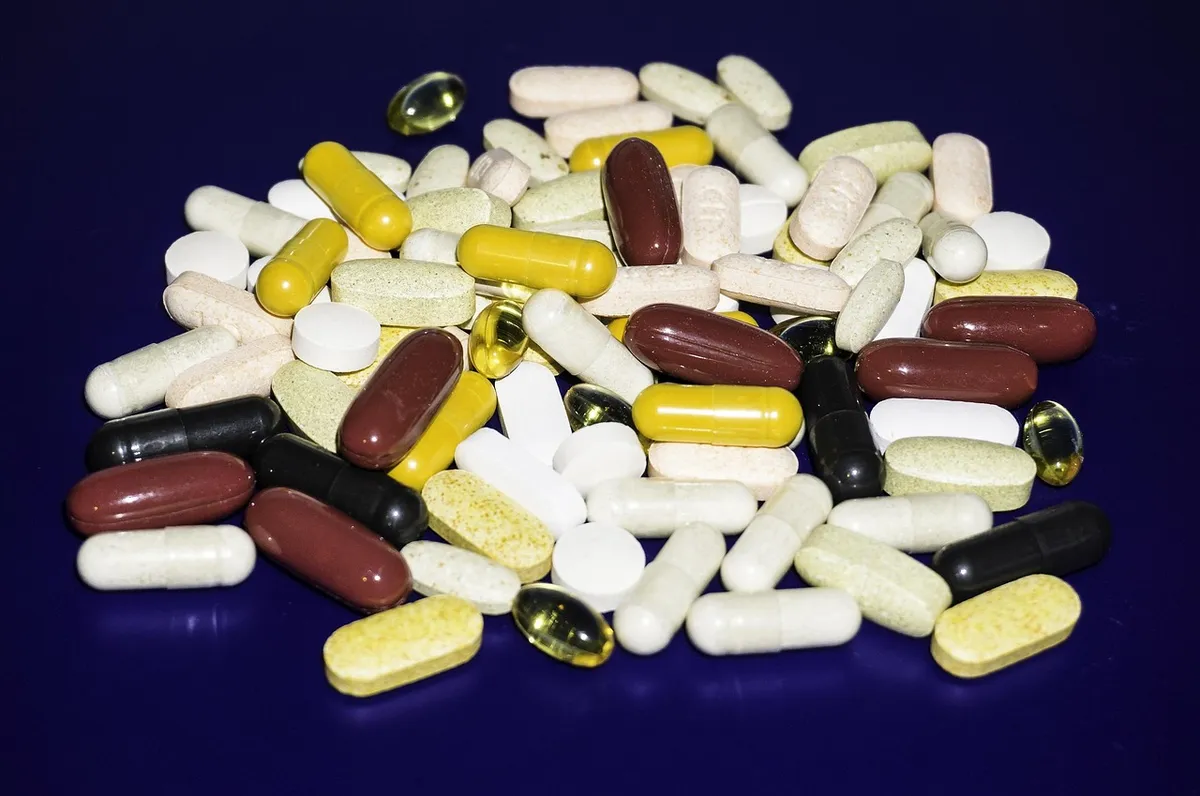
At the kitchen table during breakfast, a hand trembles slightly while holding a zinc pill and wondering about the chemical battle within.
They wonder if the two minerals in their hand will work together or cancel each other out.
While they are both essential, a zinc iron supplement combo can sometimes lead to competition, where one mineral hinders the absorption of the other.
The United States National Institutes of Health (NIH) states that some supplements may help provide essential nutrients or support overall health and performance for those with limited dietary variety.
This highlights why understanding how to take zinc and iron together is vital for those relying on pills rather than whole foods.
What are the best ways to take zinc and iron together?
In the early morning light, a person swallows a zinc tablet and feels the cool water slide down their throat.
A hand reaches for a glass of water and a small pill, noting the time is early morning. The sunlight streams through the window as the person prepares their daily routine.
To ensure you are getting the best zinc iron intake, you should focus on timing and food pairings. Follow these steps to manage your mineral levels:
- Separate the doses of zinc and iron by at least two hours to reduce competitive absorption. 2. Pair iron-rich foods with vitamin C to enhance uptake, such as a liquid supplement containing 26.4mg of vitamin C per serving. 3. Check your total daily intake to ensure you are not exceeding safe limits.
I found that spacing my minerals by mid-morning and mid-afternoon made my routine much easier to manage.
| Food Source | Iron Content (per 100g) |
|---|---|
| Quick Oats with Iron, Dry | 49.4mg |
| Diabetes Liquid Supplement | 1.98mg |
Why is iron fortification important for health?
A worker in a large grain processing facility watches as golden rice flows through a mechanized system. They know this process is essential for community nutrition in specific global regions.
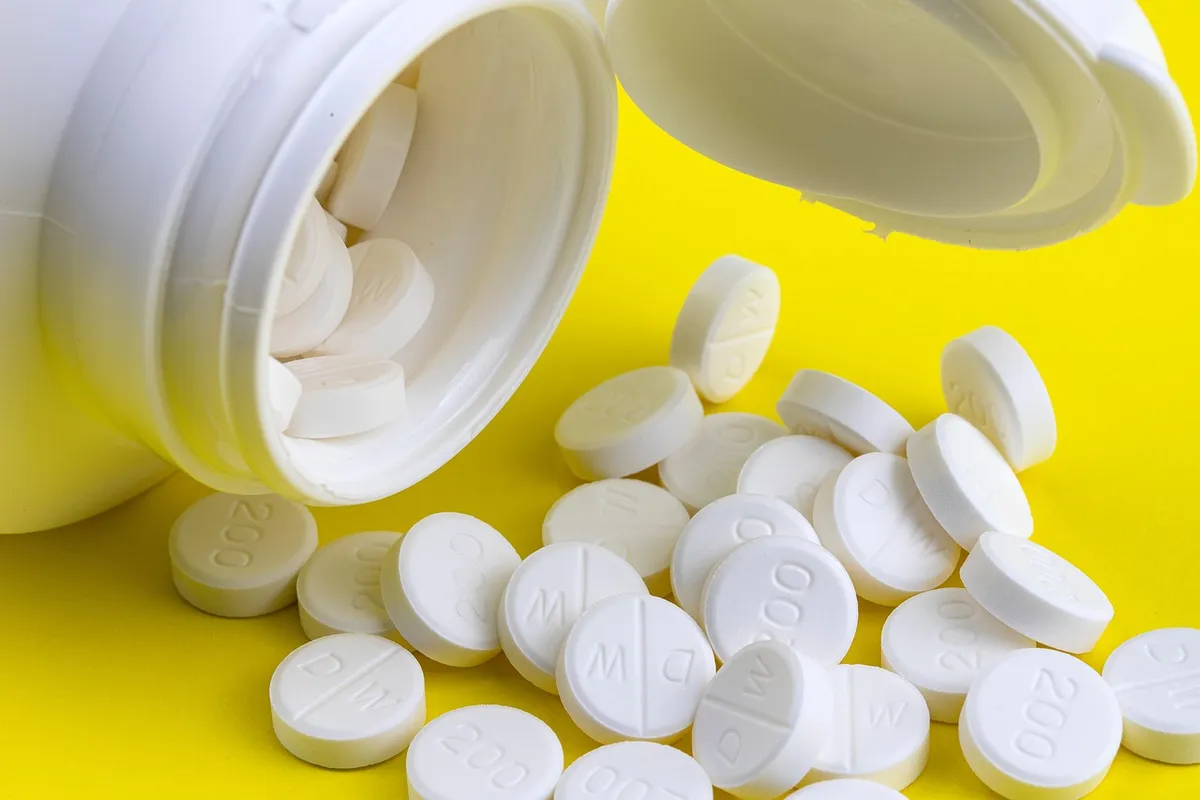
Improving mineral status is a major focus of international public health. In 2023, the World Health Organization recommended fortification of rice with iron as a public health strategy to improve the iron status of populations in regions where rice is a staple food.
This approach helps ensure that even those with limited dietary variety receive necessary nutrients through their primary food source.
The Centers for Disease Control and Prevention (CDC) also provides guidance regarding iron, particularly in the context of infant and toddler nutrition. Ensuring adequate iron through both fortified foods and careful supplementation is a cornerstone of developmental health.
How can I check the safety of my supplements?
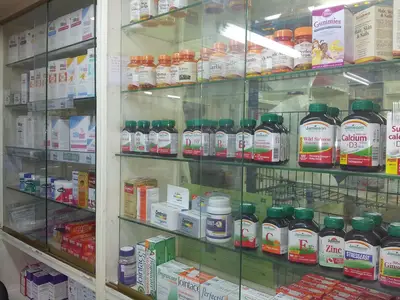
A consumer stands in a pharmacy aisle, scanning the labels of various containers. They look for specific regulatory marks to ensure the product meets safety standards.
Safety is not a matter of guesswork, as various international bodies set strict rules for what can be sold. The European Union's (EU) Food Supplements Directive of 2002 requires that supplements be demonstrated to be safe, both in dosages and in purity.
This ensures that the products reaching your cabinet have met baseline requirements for quality.
In the United States, the FDA enforces regulations and prohibits the sale of supplements that are dangerous or not made according to standardized good manufacturing practices (GMPs). Additionally, FDA-approved drugs cannot be ingredients in dietary supplements.
Can I rely on food instead of a combined mineral health boost?
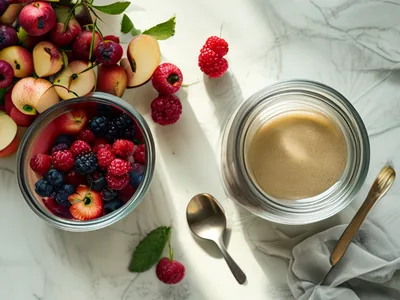
A person prepares a bowl of warm cereal, smelling the toasted grain as they stir in some fruit. They consider whether their breakfast provides enough minerals to meet their daily needs.
Whole foods are often the most efficient way to consume minerals without the risks of over-supplementation. For example, QUAKER Quick Oats with Iron, Dry, contains 49.4mg of iron and 270mg of magnesium per 100g.
Using food to meet requirements is a practical way to implement synergistic nutrient pairing through natural dietary patterns.
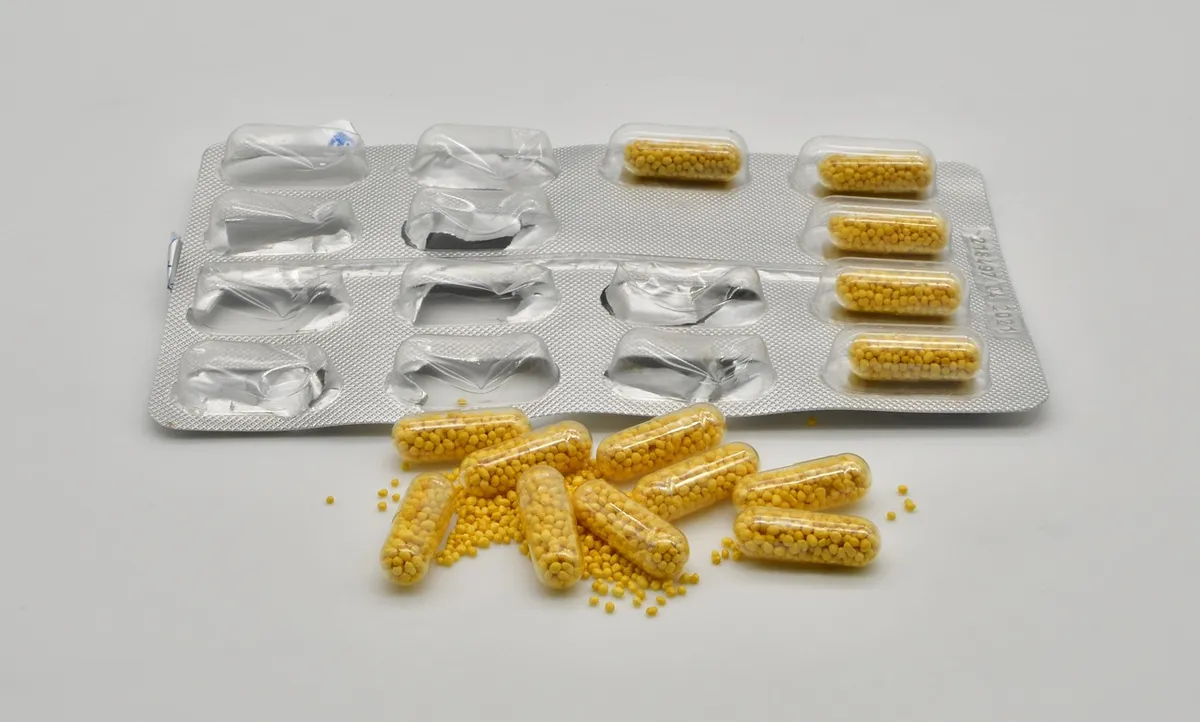
However, for those who cannot meet these needs through diet alone, understanding how zinc and iron complement each other is the next best step. Maximizing health with zinc iron requires a balance between what you eat and how you supplement.
- A person sits at a kitchen table, carefully reading the fine print on a dark amber supplement bottle.
- The relationship between these minerals is complex because they often share the same transport pathways in the digestive system.
- To maximize the benefits of dual mineral supplementation, many experts suggest spacing out the intake of these specific elements.
Related
- Magnesium potassium balance: Guide to mineral concentrations
- Body processes: Supplement synergy importance why
When Should Taking Zinc Be Separated From Iron?
The separation of doses is a critical procedure when dealing with zinc and iron supplements. To mitigate the competitive absorption that occurs in the digestive system, experts advise a specific interval between the two minerals.
This timing consideration helps ensure that the body can process each essential nutrient effectively.
- Separating the doses of zinc and iron by at least two hours reduces the chance of one mineral inhibiting the absorption of the other. 2. This separation procedure is necessary because these minerals often share digestive transport pathways. 3. Following this schedule allows for better utilization of both zinc and iron from the supplement combo.
What Conditions Affect Zinc and Iron Absorption?
The body's ability to absorb these minerals is influenced by several conditions, including the presence of other dietary components. For instance, pairing iron-rich foods with vitamin C serves as a condition to enhance iron uptake.
Conversely, high doses taken at the same time create a condition of mineral competition.
- Vitamin C acts as a factor to improve the absorption rate of iron when consumed alongside it. 2. The condition of high simultaneous intake increases the likelihood of mineral competition within the gut. 3. Individual dietary variety presents a condition that dictates the overall need for supplemental zinc and iron.
When considering taking zinc and iron together, one must recognize that the complexity of the digestive relationship demands adherence to timing guidelines. This caution is particularly relevant for individuals who rely heavily on supplements rather than whole foods for their mineral intake.
Disclaimer: This article is general information, not medical advice. Consult a qualified healthcare professional before taking any supplement or medication.



Comments 0