Protein for muscle growth: 1.2–1.8 g/kg body mass
"The body requires specific building blocks to maintain and grow tissue, and protein serves as the primary structural foundation for this process."
Protein for muscle growth is essential for anyone engaging in physical activity to maintain lean mass and support recovery. This guide explores nutrient density, recommended daily intake for athletes, and how to evaluate protein quality.

Key takeaways include understanding the specific gram-per-kilogram requirements for athletes, comparing different protein sources, and recognizing the importance of amino acid scores.
What are the requirements for protein for muscle growth?
At dawn in the empty gym, he grips the heavy barbell while feeling the strain of his muscles hungry for protein.
An athlete stands in a gym, checking a scale to weigh out a daily supplement. To meet physical demands, the International Olympic Committee recommends protein intake targets for both strength and endurance athletes at about 1.2–1.8 g/kg body mass per day.
Meeting these targets ensures that the body has enough nitrogen balance to support tissue repair. For those focusing on strength, managing this ratio is a fundamental part of a dietary intake guide. Staying within these bounds helps prevent muscle breakdown during intense training cycles.
To support hypertrophy, you must consume enough protein to provide the necessary building blocks for tissue repair. In this sequence, the first step is the most fundamental.
How do we evaluate protein quality?
A researcher examines a nutritional label to determine the efficiency of a food source.
The PDCAAS rating was adopted by the US Food and Drug Administration (FDA) and the Food and Agricultural Organization of the United Nations/World Health Organization (FAO/WHO) in 1993 as "the preferred 'best'" method to determine protein quality.
While PDCAAS was a standard, the FAO proposed changing to the Digestible Indispensable Amino Acid Score in 2013. Understanding these metrics helps in selecting the best protein sources for specific needs.
This evolution in scoring reflects a deeper understanding of how much of a protein is actually utilized by the human body.
- Assess the amino acid profile of the food.
- Check the digestibility of the protein source.
- Evaluate the balance of essential amino acids.
Comparing different protein sources
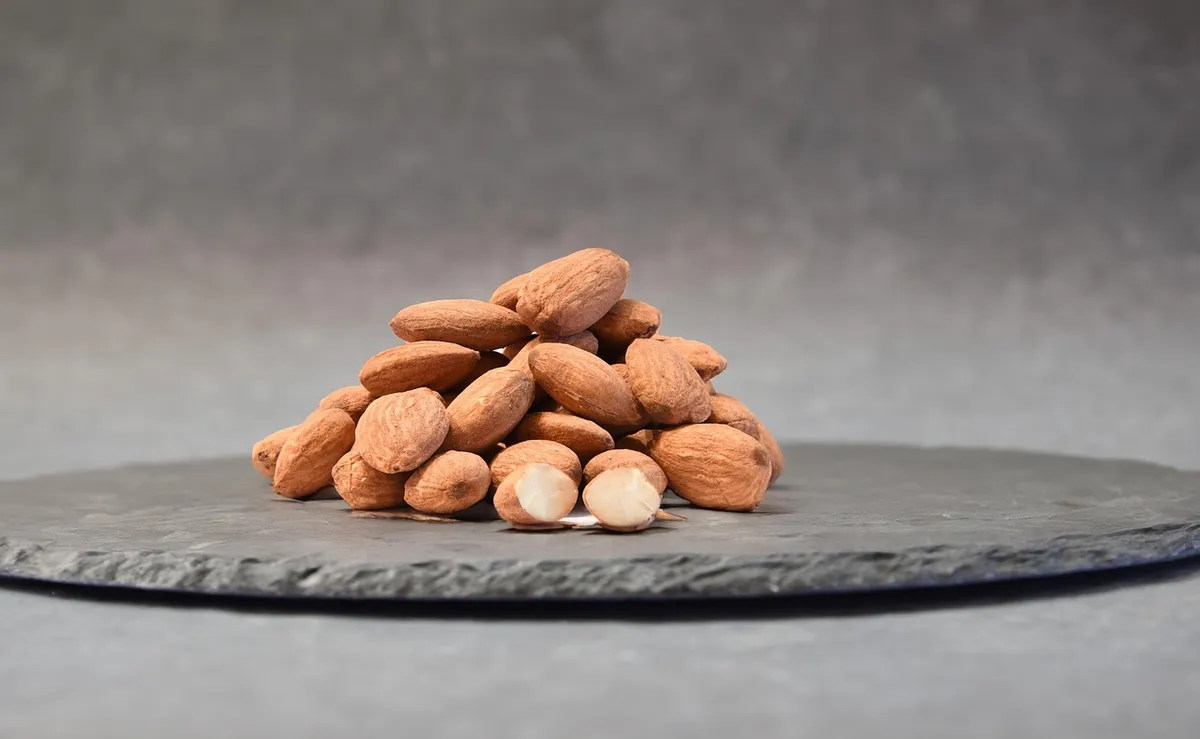
A person sits at a kitchen table, comparing a bag of soy concentrate with a tub of milk-based powder. Different products offer varying levels of protein and secondary nutrients, which can be seen when looking at the nutritional profiles of concentrated sources.
| Nutrient | Soy protein concentrate (100g) | Milk-based supplement (100g) |
|---|---|---|
| Protein | 63.6g | 45.7g |
| Carbohydrates | 25.4g | 18.5g |
I noticed that the soy protein concentrate provides a significantly higher protein density per 100g compared to the milk-based powder. When selecting muscle building nutrients, one must look at the total caloric load alongside the protein content.
How to implement dietary support muscle strategies
A trainer outlines a meal plan on a whiteboard for a client. Effective dietary support muscle strategies require consistency and a focus on nutrient-dense foods to meet daily goals.
- Calculate your specific body mass to determine your daily gram requirements based on activity levels. 2. Select protein sources that align with your caloric needs, such as high-protein concentrates or balanced shakes. 3. Monitor the amino acid profiles of your food to ensure a complete nutritional profile.
After choosing your sources, perform a final check to ensure the total daily protein intake meets the recommended range for your activity level. Using amino acids muscle-building strategies effectively means balancing these numbers every day.
What are the limitations of these nutritional guidelines?
A student reads a textbook, noting that different bodies respond differently to the same amount of food. While guidelines provide a baseline, they are not universal for every person's unique metabolism.
The specific requirements for protein for muscle gain can vary based on age, gender, and the specific type of training being performed.

It is not established that these specific ranges apply to individuals with underlying kidney conditions or those who are not engaging in strenuous physical activity.
Wikipedia: Cell signaling Based on the retained excerpt mentioning Food and Drug Administration: G protein-coupled receptors are an important drug target and approximately 34% of all Food and Drug Administration (FDA) approved drugs target 108 members of this family.
The subject here is Protein for muscle growth.
The same subject is also called Natural muscle nutrients.
Best protein sources
Related
- Signs of nutrient deficiency: Why lack impacts health
- 97.5% coverage: Nutrient intake optimal amount guide
Why is the body's protein requirement so high during training?
The body requires a steady supply of protein because muscle tissue undergoes breakdown during rigorous physical activity. This breakdown necessitates the availability of amino acids to facilitate the necessary repair processes.
The body uses these building blocks to reconstruct and strengthen muscle fibers damaged during exercise.
The body's maintenance of tissue relies heavily on this constant supply. Without adequate intake, the body cannot efficiently repair the micro-tears induced by training. This repair process is what leads to muscle adaptation and growth.
What drives the difference in protein needs?
The body's specific needs vary depending on the nature of the physical activity undertaken. Endurance training and strength training place different demands on the body's repair mechanisms. Therefore, the recommended intake range accounts for these differing physiological stresses.
The body must balance energy expenditure with tissue synthesis. This balance dictates the precise amount of protein required to support the activity level. The body uses this intake to maintain nitrogen balance against the demands of the training regimen.







Comments 0