Vitamin D immune support: Guide to plant milk intake
"Vitamin D is a vital component of a healthy lifestyle, often found in fortified foods and sunlight."
This guide explores how to identify vitamin D in common beverages, the role of fortified alternatives, and how to manage dietary intake.
How can I identify vitamin D in beverages?
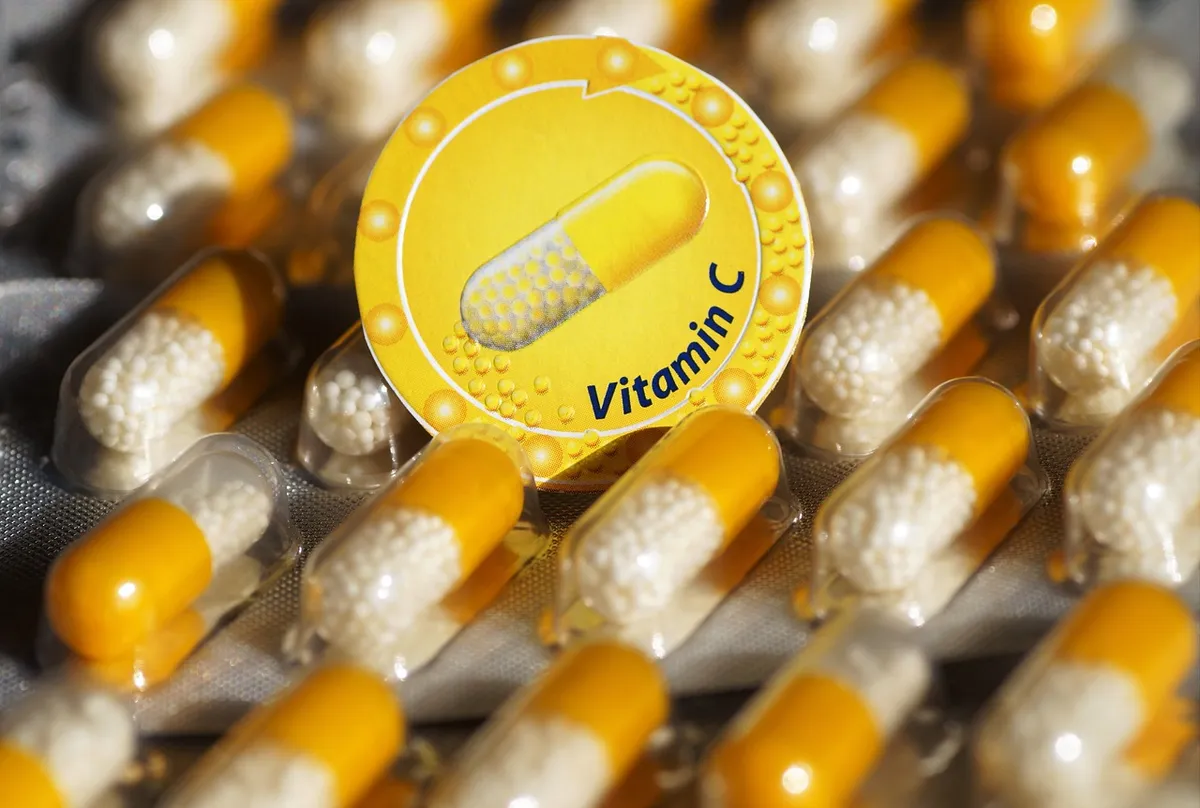
A person stands in a grocery aisle, scanning the labels of various milk alternatives to find specific nutritional information. Identifying vitamin D in beverages requires looking closely at the nutrition facts panel to see the microgram (ug) content.
According to the Food and Drug Administration, the FDA approved the addition of vitamin D to plant milk beverages intended as milk alternatives, such as beverages made from soy, almond, coconut, and oats, in July 2016.
In July 2016, the US Food and Drug Administration approved the addition of vitamin D to plant milk beverages intended as milk alternatives, such as beverages made from soy, almond, coconut, and oats.
This regulatory move ensures that those choosing plant-based options can still access this essential nutrient. Maintaining vitamin D body levels often involves checking these fortified labels during a routine shopping trip.
What are the differences between fortified plant milk and dairy?
At the kitchen counter, I gripped the cold cartons while comparing the vitamin levels listed on each label.
A shopper compares two different cartons of liquid, noting the subtle differences in their nutritional composition. Comparing different products helps in understanding how much vitamin D is present in common dietary staples.
The following table compares the vitamin D content found in two different types of beverages based on USDA FoodData Central data.
| Beverage Type | Vitamin D (per 100g) |
|---|---|
| SILK Plus for Bone Health, soymilk | 1.2ug |
| Milk, chocolate, lowfat, with added vitamin A and vitamin D | 1.1ug |
I noticed that while the soy milk provided slightly more vitamin D, the lowfat chocolate milk also contained a comparable amount. This comparison shows that different dietary choices offer various levels of nutrient density.
Using these labels to plan a diet is a practical way to manage vitamin D immune support.
How should I manage my vitamin D intake?
A person sits at a kitchen table, carefully measuring out portions of fortified foods to meet their daily needs. Managing dietary intake effectively involves a combination of consistent food choices and understanding fortification.
- Check the label of plant-based alternatives to ensure they are fortified with vitamin D. 2. Compare the micronutrient levels between dairy and non-dairy options to balance your diet. 3. Incorporate a variety of fortified beverages into your daily routine to maintain steady levels.
A final check of the nutritional labels ensures that the chosen products meet your specific dietary requirements. This systematic approach helps in maintaining vitamin D levels health through informed consumption.
What are the limitations of relying on fortified foods?
A person looks at a bottle of supplements, considering whether food alone is sufficient for their nutritional needs. Relying solely on fortified products may not provide the same level of consistency as other methods.
One limitation is that fortification levels can vary significantly between different brands and product types. For instance, the level of vitamin D in SILK Plus for bone health is 1.2ug per 100g, while the lowfat chocolate milk contains 1.1ug.
These small differences mean that total intake depends heavily on the volume of the product consumed.
- Vitamin D serves as a critical nutrient for maintaining health, and ensuring sufficient levels through diet and supplementation is a common goal for many.
- Key takeaways include recognizing fortified plant milks, understanding nutrient density in dairy, and managing dietary variety.
- The Food and Drug Administration approved the addition of vitamin D to plant milk beverages intended as milk alternatives.
Vitamin D immune support

The same subject is also called Immune boost Vitamin D.
The same subject is also called Maintain D levels health.
The same subject is also called Dietary immune defense.
This part also covers Best Vitamin D dosage.
This part also covers Signs low Vitamin D.
This part also covers Dietary sources Vitamin D.
Best Vitamin D dosage
Related
What should I consider when comparing nutrient density?
Comparing different beverages requires a careful look at the specific microgram amounts listed on the nutrition facts panel. A shopper must evaluate the vitamin D levels in both dairy and plant-based alternatives to understand the differences in nutrient density.
According to the World Health Organization, the World Health Organization estimated that vitamin A supplementation over a decade in 40 countries averted 1.25 million deaths due to vitamin A deficiency in 2008.
One condition to consider is that the amount of vitamin D per 100g varies between products. For example, the soy milk listed has 1.2ug, whereas the lowfat chocolate milk has 1.1ug. This comparison shows that while the levels are comparable, they are not identical.
How can I ensure consistent intake through label reading?
Ensuring consistent intake involves checking the labels of various fortified products to manage dietary variety. A person must verify the specific microgram content to meet their nutritional goals.
- Examine the nutrition facts panel to identify the exact microgram amount of vitamin D. 2. Compare the soy milk's 1.2ug to the chocolate milk's 1.1ug to understand the differences in density. 3. Use these comparisons to plan a routine that incorporates a variety of fortified beverages.
What are the risks of inconsistent label reading?
Inconsistent label reading can lead to an inaccurate understanding of one's daily vitamin D intake. A person might assume all plant milks provide the same amount of nutrients, but the 1.2ug in soy milk versus the 1.1ug in chocolate milk demonstrates that levels differ.
- Verify the specific microgram amount on every label to avoid assuming all fortified drinks are identical. 2. Compare the 1.2ug soy milk content to the 1.1ug chocolate milk content to recognize variations in density. 3. Monitor the volume of consumption to ensure the total vitamin D intake meets health goals.
One caution is that relying on a single brand might lead to a lack of dietary variety. Because the soy milk provides 1.2ug and the chocolate milk provides 1.1ug, a consumer must account for these differences when planning a balanced diet.
This comparison is vital for anyone trying to manage their nutrient levels through fortified beverages.
Disclaimer: This article is general information, not medical advice. Consult a qualified healthcare professional before taking any supplement or medication.






Comments 0