Sous vide chicken breast: A guide to perfect texture
"The texture of perfectly cooked poultry can make or break a meal, especially when balancing nutrition with flavor."
Sous vide chicken breast is a versatile protein source that offers high protein content and low calorie options for a healthy diet plan. This method ensures consistent moisture and texture, making it an ideal choice for meal prep ideas.
Key takeaways: 1. High protein density makes it a lean protein source. * Precise temperature control preserves nutritional integrity. * Versatility allows for various culinary applications.
Why is sous vide chicken breast a healthy diet plan?
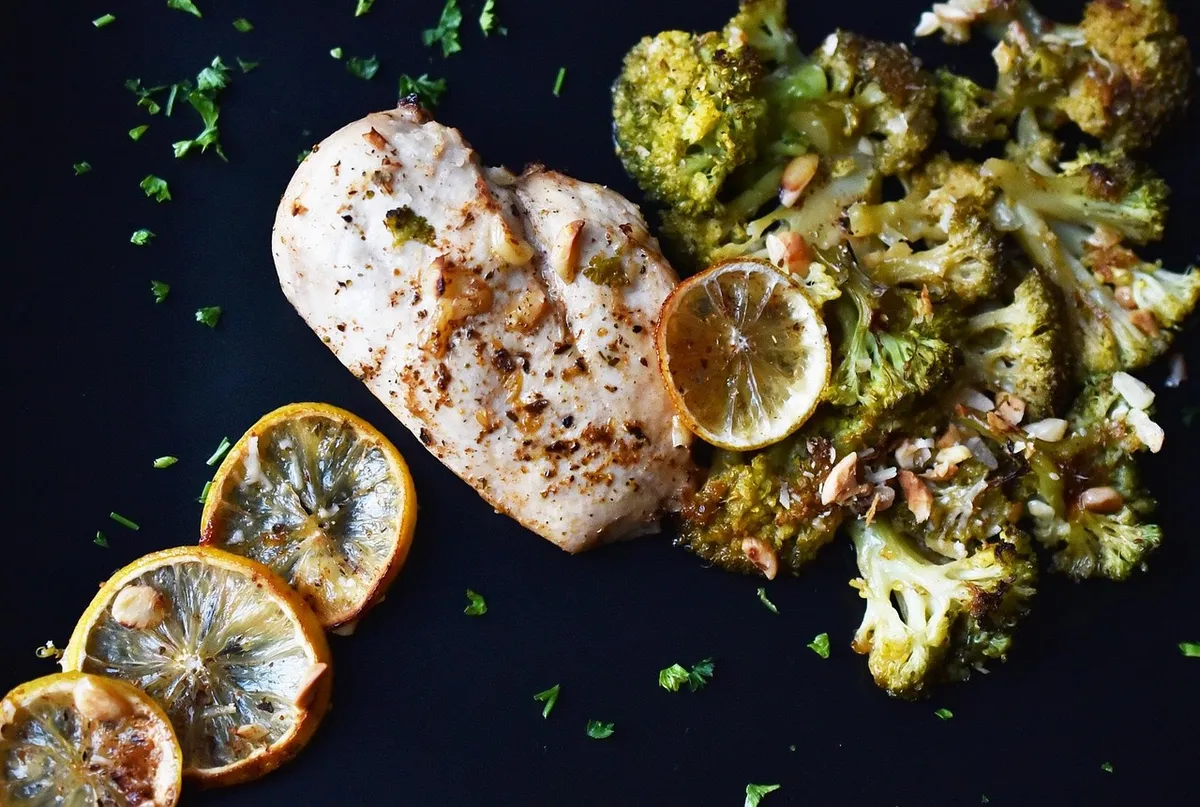
In the quiet kitchen, she watches the steam rise as she gently lowers the bag into the warm water for the sous method.
A person stands in a quiet kitchen, watching the water circulator maintain a steady temperature in a clear glass container. They carefully place a vacuum-sealed bag into the warm water, knowing the gentle heat will transform the meat without drying it out.
Choosing a high protein chicken option helps with satiety and muscle maintenance. Because the cooking process happens in a sealed environment, the meat retains its natural juices without the need for heavy oils or fats.
This makes it a reliable low calorie meal for those monitoring their daily intake.
According to USDA FoodData Central, 100g of uncooked breaded chicken breast tenders contains 14.7g of protein. Utilizing this protein in a controlled cooking environment allows for a much more tender result than traditional high-heat methods.
How does it serve as a lean protein source?
At midnight in the dim kitchen, she feels the silky texture of the meat as she slices through the sous prepared breast.
A chef slices through a tender piece of chicken, noting how the meat pulls away easily from the knife. The surface is golden, but the interior remains incredibly moist and consistent from edge to edge.
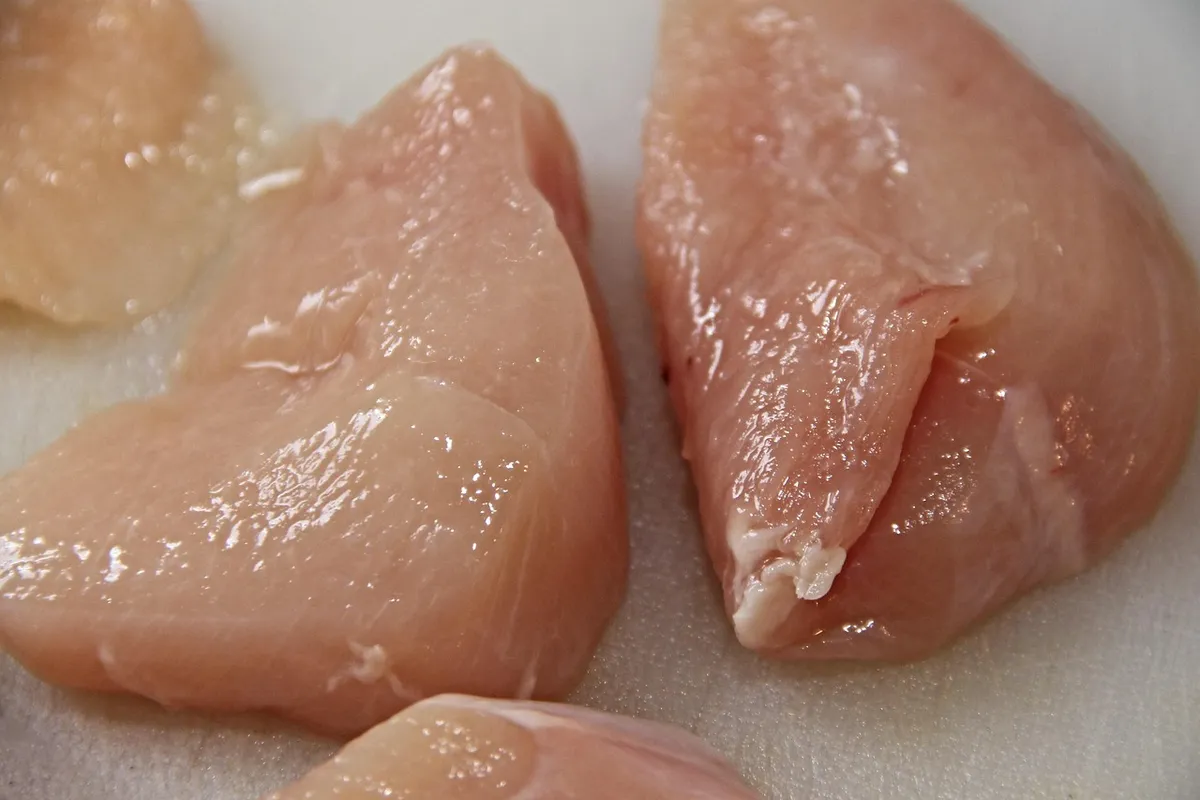
When preparing a meal, using a lean protein source like chicken breast ensures you get essential nutrients without excessive caloric density. The sous vide method prevents the protein fibers from tightening too aggressively, which often happens with pan-frying.
The nutritional profile of chicken is quite diverse. For instance, USDA FoodData Central notes that 100g of uncooked breaded chicken breast tenders provides 214mg of potassium and 23mg of magnesium. These minerals are essential for various bodily functions.
What are the best high protein recipes?
During the quiet morning, he lifts the warm bag from the sous bath and breathes in the fragrant aroma of herbs.
A cook prepares several containers on a kitchen counter, ready to be labeled and stored for the week. Each container holds a perfectly cooked portion of chicken, ready to be paired with different vegetables or grains.
Finding the best high protein recipes often leads back to simple, high-quality ingredients. Because the meat is already cooked to perfection, it can be easily integrated into salads, grain bowls, or wraps.
A sous vide cooking guide often emphasizes the importance of seasoning before sealing. For a variety of flavor profiles, you can experiment with different herbs or spices inside the bag to change the meal's character without adding significant calories.
Can it be used for meal prep ideas?
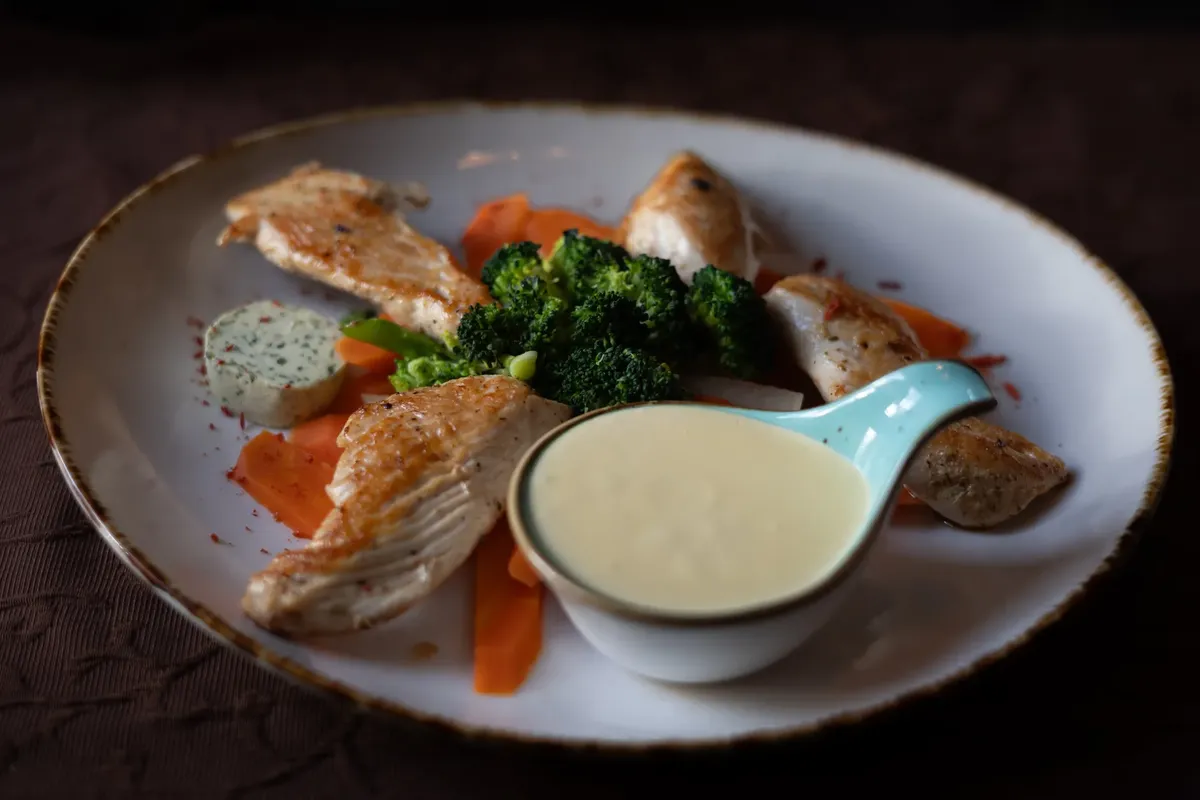
A person pulls a vacuum-sealed bag from the refrigerator, checking the seal before placing it into the water bath. The efficiency of the process allows for multiple portions to be prepared at once.
Effective meal prep ideas rely on ingredients that stay fresh and delicious when reheated or eaten cold. Since the chicken is cooked at a precise temperature, it does not become rubbery when chilled.
I once prepared a large batch of chicken using this method to save time during a busy work week. The consistency of the texture meant that every meal felt as fresh as the first one I cooked.
To ensure success with your batches, follow these steps: 1. Season the chicken breast and seal it in a food-grade vacuum bag. 2. Set the sous vide immersion circulator to the desired target temperature. 3. Submerge the bag and cook for the time required for the specific thickness.
After the timer goes off, perform a final check of the internal temperature to ensure it meets food safety standards before chilling or serving.
How do you compare nutritional values?
A person sits at a table with two different types of chicken meat, comparing the labels of sliced lunchmeat against whole breast meat. They are looking for the best way to balance their macros.
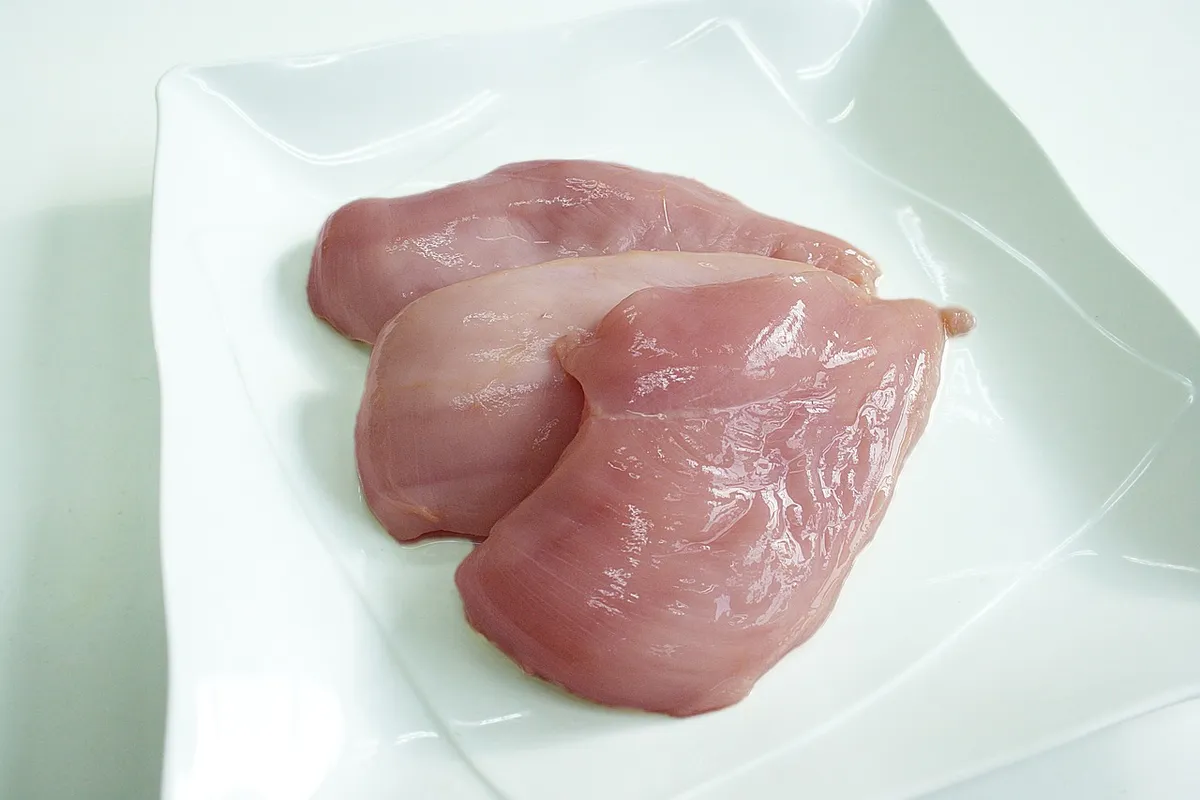
When deciding on a meal, comparing different forms of chicken is helpful. For example, the nutritional content can vary significantly depending on how the meat was processed before cooking.
| Item (per 100g) | Protein (g) | Vitamin B12 (ug) |
|---|---|---|
| Breaded Chicken Tenders | 14.7 | 0.27 |
| Sliced Chicken Breast Lunchmeat | Not specified | 0.118 |
The table above illustrates how different preparations offer different levels of protein and vitamins. While both are chicken, the composition changes based on the specific cut and processing.
- Why is sous vide chicken breast a healthy diet plan?
- How does it serve as a lean protein source?
- What are the best high protein recipes?
The subject here is Sous vide chicken breast.
Related
- Here are 3 drinks that I take every morning, instead of
- Tips: Find Zinc for anti aging in beverages and food sources
How does the texture compare across different preparations?
The texture of perfectly cooked poultry is highly dependent on the cooking technique employed. Sous vide achieves a uniform tenderness because the low-temperature bath prevents muscle fibers from seizing up prematurely.
This contrasts with high-heat cooking, where uneven thermal exposure can lead to dryness on the exterior while the interior remains less developed.
The consistency achieved through this controlled process is crucial for maintaining the desired mouthfeel. When the texture is ideal, the meat provides a pleasant mouthfeel that complements the accompanying ingredients.
This contrasts sharply with tough, chewy meat fibers often found in improperly cooked poultry.
Achieving the perfect texture is integral to the overall dining experience. A desirable texture ensures that the meal feels balanced and enjoyable, rather than texturally challenging. This attention to the texture elevates the dish beyond mere sustenance.
Disclaimer: This article is general information, not medical advice. Consult a qualified healthcare professional before taking any supplement or medication.


Comments 0